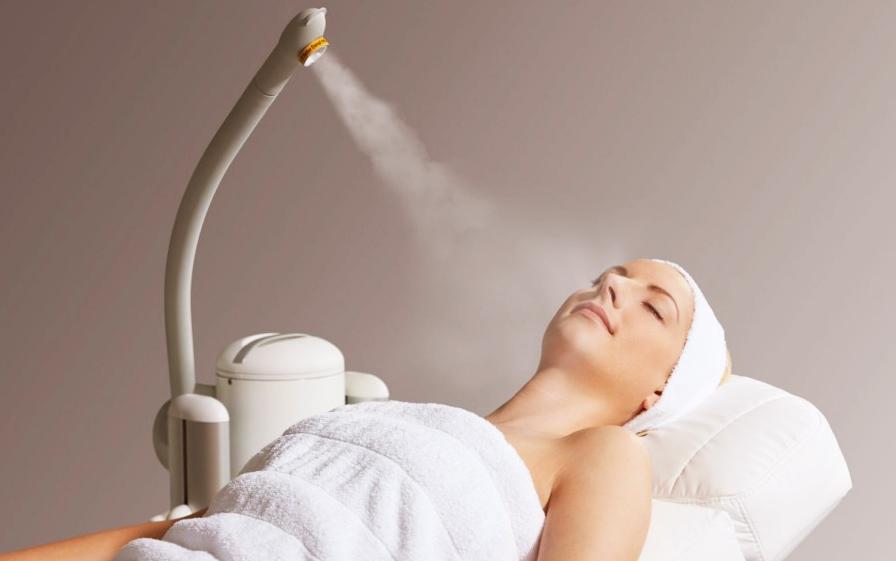
Massage happens to be an ideal way of taking care of yourself. It improves blood circulation; helps work out kinks and knots in your muscles; and eases tension headaches. A good massage will make you feel lighter, both physically and emotionally. When you are taken care of physically, it follows suit that your mental state will also improve. You will be less stressed and more able to handle whatever life throws your way with a clear head. The same goes for your emotional well-being when your body feels good, so do your mind and heart.
Self-care massage is an important practice that helps us to maintain our physical and mental health. It involves massaging our own body in order to improve circulation, relax the muscles, and reduce stress levels. Self-care massage has many benefits for both the mind and body, including improved moods, reduced anxiety and stress, increased energy levels, better sleep quality, and relief from pain. In this blog post, we will discuss the importance of self-care massage and explore some of the key benefits that it provides.

A self-care massage is a type of massage that you give to yourself. It involves using your hands to massage your body in order to improve circulation, relax the muscles, and reduce stress levels. Self-care massage has many benefits for both the mind and body, including improved moods, reduced anxiety and stress, increased energy levels, better sleep quality, and relief from pain.
Self-care massage is important because it helps us to maintain our physical and mental health. When we massage our own bodies, we are able to improve circulation, relax the muscles, and reduce stress levels. By doing this, we are able to improve our moods, reduce anxiety and stress, increase energy levels, improve sleep quality, and relieve pain.
Self-care massage is one of the best things that we can do for ourselves. It is an activity that can help us to improve our physical and mental health. If you are looking for a way to reduce stress, improve your mood, or simply feel better, a self-care massage may be the perfect solution for you.
There are many different techniques that can be used for self-massage. Some of the most popular techniques include:
-Effleurage: This is a gentle, sweeping motion that is often used to relax the muscles
-Petrissage: This technique involves kneading or squeezing the muscles. It can be used to help relieve tension and knots in the muscles.
-Friction: This is a deep, circular massage that is used to help loosen tight muscles.
-Tapotement: This is tapping or percussion massage that can help to stimulate blood flow and improve circulation.
Self-care massage can be done using your hands, a massage roller, or a tennis
A foam roller is a useful tool for easing muscle pain in the:
A tennis ball or a golf ball is great for accessing harder-to-reach muscle groups like the shoulders, mid-back, or pectoral muscles. Use the floor or a wall and roll your body over the ball.
Be sure to be extra gentle if using a golf ball. You’ll want to use light pressure due to the hard surface.
There are a variety of other self-massage tools designed to target specific muscle groups more accurately. These include:
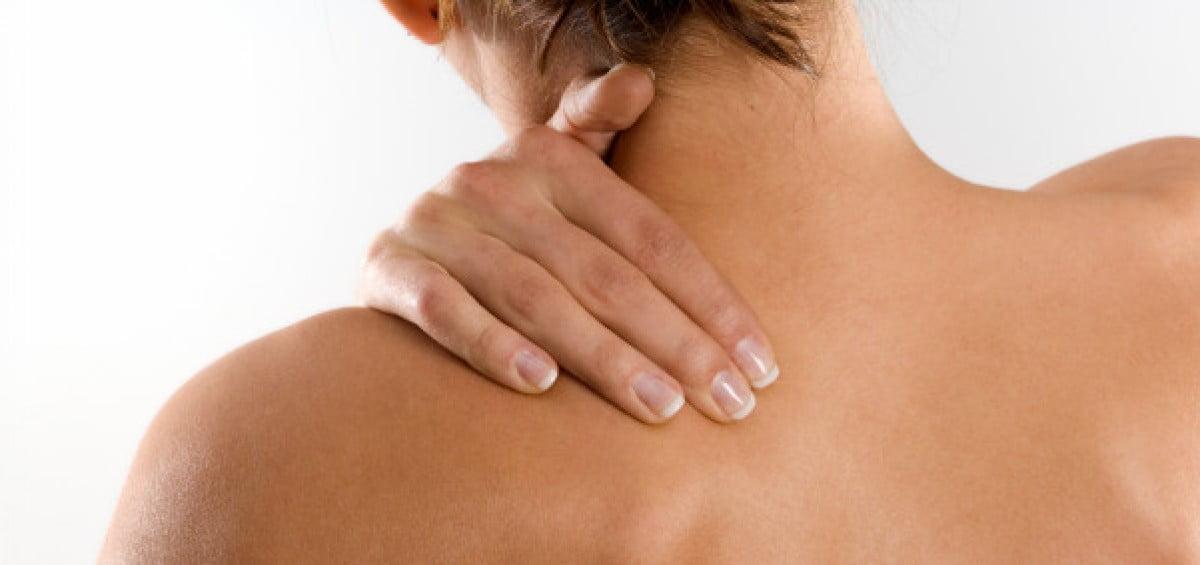
There are a variety of benefits that come with regular self-massage, including:
Self-massage is a great way to reduce stress and tension, improve circulation, and ease pain from conditions like headaches, carpal tunnel, and TMJ. If you're looking for an easy way to incorporate self-care into your daily routine, massage is a great option! neck and shoulder massagers can help release tension in the upper body, while back massagers can work out knots in the lower back. For a more targeted approach but aside from self-care massage, you can incorporate massage therapy for your wellness
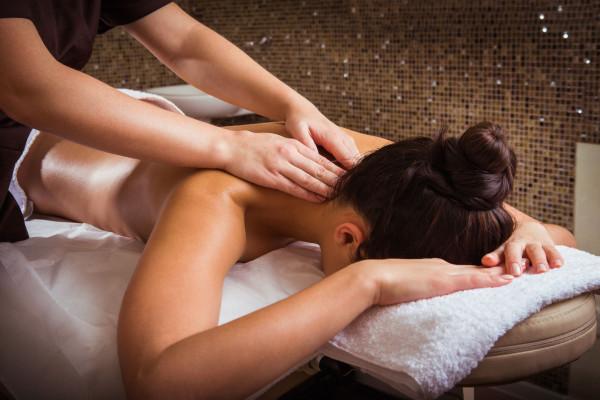
Massage therapy is the scientific manipulation of the soft tissues of the body for the purpose of normalizing those tissues and consists of manual techniques that include holding, moving, and applying pressure to the muscles, tendons, ligaments, skin, and joints, or other connective tissue. Massage therapists use their hands, forearms, fists, and knuckles to knead and stroke your muscles and loosen adhesions. Although massage therapy is often associated with relaxation and stress relief.
There are many different types of massage therapy, but some of the most common include Swedish massage, deep tissue massage, trigger point massage, sports massage, and prenatal massage.
Massage therapy works by using touch to manipulate the soft tissues of the body. This manipulation can help to break down adhesions in the muscles and connective tissues, increase circulation and range of motion in the joints, and release endorphins-the body's natural painkillers-into the bloodstream.
The benefits of massage therapy are vast. Some of the most common benefits include reducing stress and anxiety, relieving muscle tension and pain, and improving circulation and range of motion.
Massage therapy can also be used to address specific health concerns. Some of the conditions that massage therapy can help to improve include headaches, TMJ/TMD, carpal tunnel syndrome, fibromyalgia, sciatica, and plantar fasciitis.
Prenatal massage is a wonderful way to provide relief for the many aches and pains that can occur during pregnancy. Prenatal massage can also help to improve circulation, reduce stress and anxiety, and promote relaxation.
Postnatal massage is a great way to help your body recover from the stresses of pregnancy and childbirth. Postnatal massage can help to relieve muscle tension, improve circulation, and promote relaxation.
Infant massage is a wonderful way to bond with your baby and provide them with the benefits of touch. Infant massage can also help to improve sleep, relieve gas and colic, and improve circulation.
Sports massage is a great way to prevent injuries and keep your body performing at its best. Sports massage can also help to reduce stress, improve circulation, and promote relaxation.
Swedish massage is a popular type of massage that uses long, flowing strokes to promote relaxation and ease muscle tension. Swedish massage can also help to improve circulation and reduce stress.
Deep tissue massage is a type of massage that uses slow, deep strokes to reach the deeper layers of muscle tissue. Deep tissue massage can be helpful in relieving chronic pain, improving circulation, and reducing stress.
Trigger point massage is a type of massage that focuses on specific areas of muscle tension. Trigger point massage can be helpful in relieving pain, improving circulation, and reducing stress.
Reflexology is a type of massage that focuses on specific areas of the feet and hands. Reflexology can be helpful in relieving pain, improving circulation, and reducing stress.
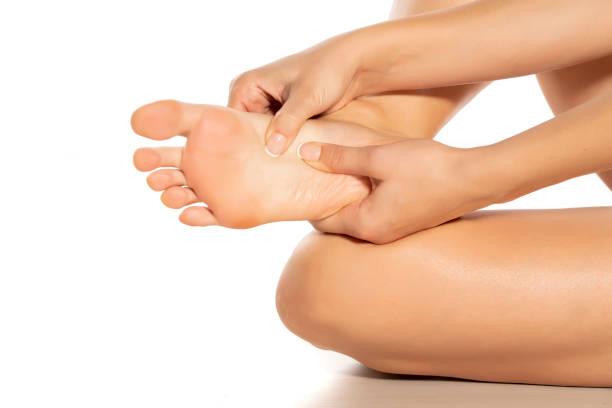
Neck and Shoulder Massage: Start by massaging your neck with your hands. Use your fingertips to work out any knots or tension you may feel. Then, massage your shoulders with your hands. Use circular motions and long strokes.
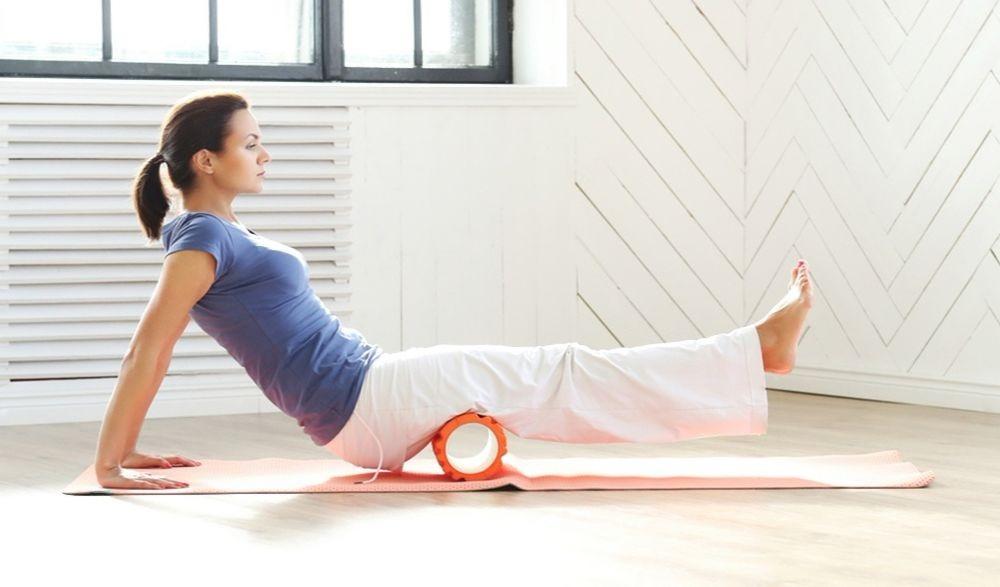
Back Massage: Start by massaging your back with your hands. Use circular motions and long strokes. You can also use a tennis ball or foam roller to massage your back.
Foot Massage: Start by massaging your feet with your hands. Use circular motions and long strokes. You can also use a tennis ball or foam roller to massage your feet.
Self-care massage can help to improve our mental health by:
-Reducing stress and anxiety
-Improving sleep quality
-Increasing energy levels
-Improving concentration and focus
-Reducing negative thinking and rumination
-increasing positive thinking and self-esteem.
-Anxiety disorders
-Depression
-PTSD
-OCD
-You can do it yourself, so it's convenient and cost-effective.
-It's a great way to de-stress and relax.
-It can improve your sleep quality.
-It can increase your energy levels.
-You may not be able to reach all the areas that need attention.
-You may not have the same level of pressure as a professional massage therapist.
Self-care massage is a great way to relax, de-stress and improve your sleep quality. It is cost-effective and convenient because you can do it yourself. However, you may not be able to reach all the areas that need attention or have the same level of pressure as a professional massage therapist. Nevertheless, self-care massage has many benefits that make it worth doing regularly. Thanks for reading! I hope this article was helpful in understanding the importance of self-care massage. If you wanna focus on holistic relaxing massage for your wellness, contact us today!
Pregnancy can be a wonderful time, but it can also be a time of great stress. Massage is a great way to reduce stress and promote relaxation. It is also safe for pregnant women when performed by a qualified therapist. In this blog post, we will discuss the benefits of massage for pregnant women, as well as the different types of massages that are available. We will also provide safety tips for those who are considering massage during pregnancy.
Pregnancy can be a difficult time for anyone, but it's even harder when you're feeling pain in your body. Massage is the key to alleviating that suffering, but what is prenatal massage?
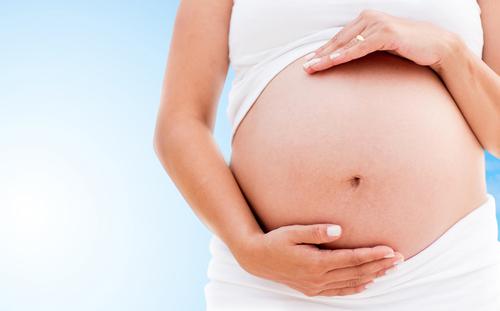
Prenatal massages are adapted for the anatomical changes you go through during pregnancy. In a traditional massage, you might spend half the time lying face-down on your stomach (which is not possible with a baby belly) and half the time facing up (a position that puts pressure on a major blood vessel that can disrupt blood flow to your baby and leave you feeling nauseous).
But as your shape and posture changes, a trained massage therapist will make accommodations with special cushioning systems or holes that allow you to lie face down safely, while providing room for your growing belly and breasts. Or you might lie on your side with the support of pillows and cushions.
Massaging pregnant women is generally considered safe as long as they get approval from their medical practitioner and let the massage therapist know that he or she is expecting. You should avoid massages during the first three months of pregnancy due to possible dizziness, but other than that there isn't much risk involved with getting regular relaxation treatments throughout your nine-month term!
While there are some myths about what will happen if you get a massage while pregnant, the reality is that it's not all either good or bad. Massages may trigger contractions in some people but no evidence shows they can actually speed up labor by themselves, so this should be an option for those who want relaxation without any risks attached.
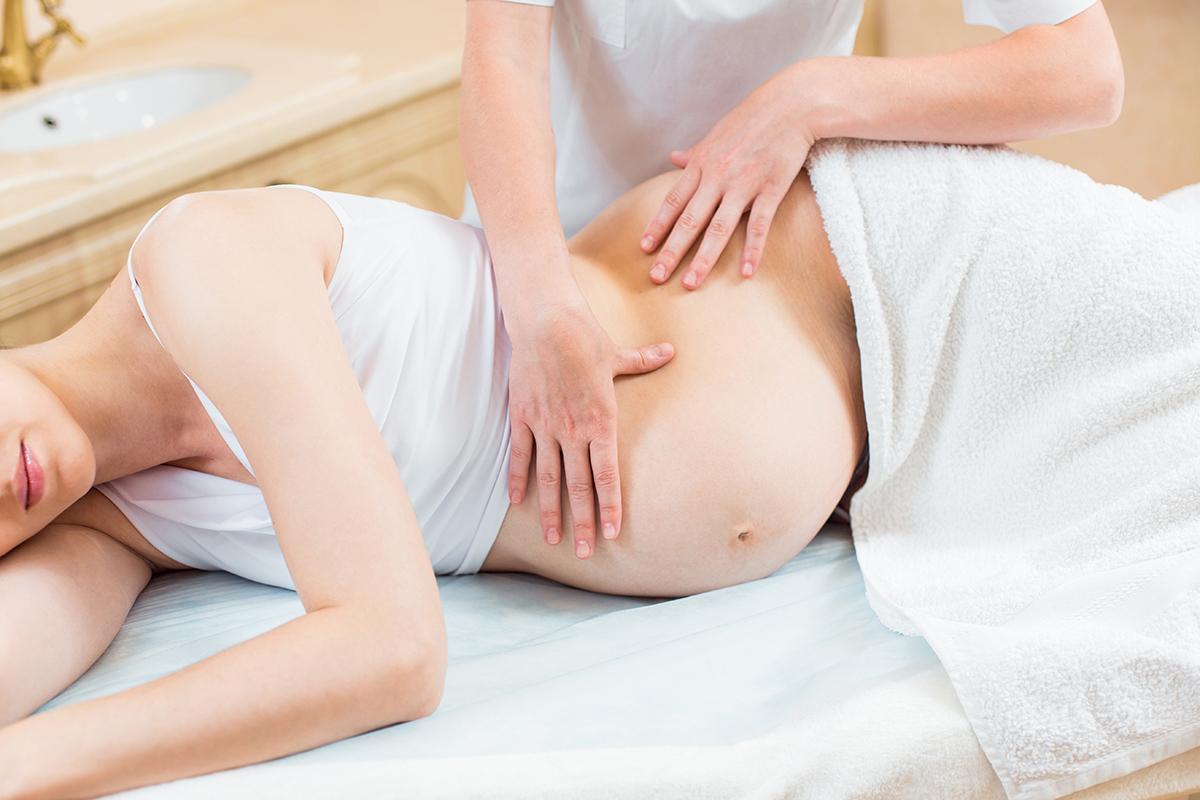
A prenatal massage is a type of massage that is specifically designed for pregnant women. It can help to relieve the aches and pains associated with pregnancy, as well as improve circulation and promote relaxation. Your prenatal massage allows you to focus on the changes happening in your body right now. The purpose of this relaxing treatment is not only physical, but also mental and emotional well-being for the motherhood ahead!
There are many different types of massages, but not all are appropriate for pregnant women. Swedish massage, which is a gentle form of massage that uses long strokes and kneading to relax muscles, is generally considered safe during pregnancy. Deep tissue massage, which uses more pressure and may be uncomfortable for some people, should be avoided during pregnancy.
A Swedish massage is a gentle form of massage that uses long strokes and kneading to relax muscles. This type of massage is generally considered safe during pregnancy.
Swedish massage may help to:
- Relieve muscle aches and joint pain
- Reduce stress and anxiety
- Promote relaxation
- Improve sleep quality
Be sure to tell your massage therapist if you are pregnant, as they will need to adjust their technique accordingly. It is also important to drink plenty of water before and after your massage to stay hydrated.
Massage is a great way to reduce stress hormones and relax your muscles. Plus, it can increase blood flow, which helps with pregnancy symptoms as well as keeping the lymphatic system working at peak efficiency! The physical contact reconnects you mindfully to connect with yourself. No wonder it has been seen time to time, that people who receive this treatment report feeling calmer than before they began receiving care from professionals.
It's important not just when pregnant but also during any stressful period in life, because stronger connections between our minds (and bodies) lead us towards greater self-awareness.
During pregnancy, regular prenatal massages may not only help you relax but may also relieve:
Consider waiting until your second trimester
This is because of the higher risk of miscarriage in the first trimester. No scientific links have been made between massages and miscarriages, but some professionals worry about the increased blood flow and sensitive points in your body that may trigger labor.
If you're experiencing any of the following conditions, you should avoid getting a massage:
Use safe pregnancy positions
Not long into pregnancy, your body will start to change in visible ways. Your baby bump is one of the most obvious changes, along with a pronounced curve in the spine and possible breast swelling.
All of these together make the traditional massage position, lying face down, uncomfortable, and unsafe. It can cause undue stress on your back, pelvis, and uterus, Flattened breasts against the massage table can also be quite painful.
There are other positions that can be used during the pregnancy massage, however. Side-lying is the most common position for pregnant women. You can also lie on your back with a pillow under your knees or sit in a reclined position in a special chair designed for massage.
Avoid deeper pressure on the Legs if varicose veins are present
Pregnant women have an increased risk of developing blood clots, especially in their legs and pelvis. If they get stuck during a massage session this could lead to pulmonary embolisms-life threatening occurrences where the clot travels through your lungs blocking one essential artery found there.

Here are the steps you should take for a DIY massage.
Firstly, get a pillow to support your stomach. This applies to any position. There are two commonly used positions for massage during pregnancy: Sitting and lying on your side.
When sitting, face the wall or the back of a chair with a pillow placed on your stomach for support.
When lying sideways, use a pillow to support the stomach so that the position remains comfortable and safe.
Now your partner can start massaging! Again, remember to use light movements in safe areas.
Be especially careful around the abdomen. Soothe the body with light strokes so that your baby can feel the massage. A prenatal massage is simple! It generally takes between 5-10 minutes and can improve your and your baby’s health.
The third step is to use prenatal massage oil to help make the massage softer, gentler, and more relaxing. In addition, using massage oil makes the skin’s surface more slippery, allowing you to control pressure better. Make sure to choose massage oils that are safe for pregnancy, as not all essential oils are safe for pregnant women.
A gentle reminder, Prenatal massage definitely isn’t a “don’t try this at home” activity. But to some, it can be quite challenging. So, it’s important to understand the limits of prenatal massage, especially when you’re trying it at home.
Mothers are the models for their kids, but they can't neglect themselves. Now that you know about pregnancy massages and why they're so great during this time in your life, we want all mommies to be safe and happy!
Since we have covered the importance of pregnancy massage, safety, and benefits, does this sound like something you want to try?
It takes a lot of energy for your body to adjust to the baby’s growth while also functioning on a daily basis. We understand that you are on this journey full of new adventures, transformations, and challenges. However, you don’t have to do it all on your own.
Your first step would be to consult with your doctor and get the green light to go ahead and schedule an appointment.
A prenatal massage will help you tend to all areas of the body that call out for attention and nurture during the most critical times. Give us a call today at (808) 200-4611 to schedule an appointment or fill out a form online, and someone will get back to you within 24 hours.
If you’ve never tried reflexology, you may be wondering if it actually works. This alternative therapy involves the use of pressure points on the feet, hands, and ears to promote healing in other parts of the body. Reflexology has been used for centuries, and there is some evidence that it can provide a number of health benefits. Keep reading to learn more about reflexology and the surprising benefits it can offer!
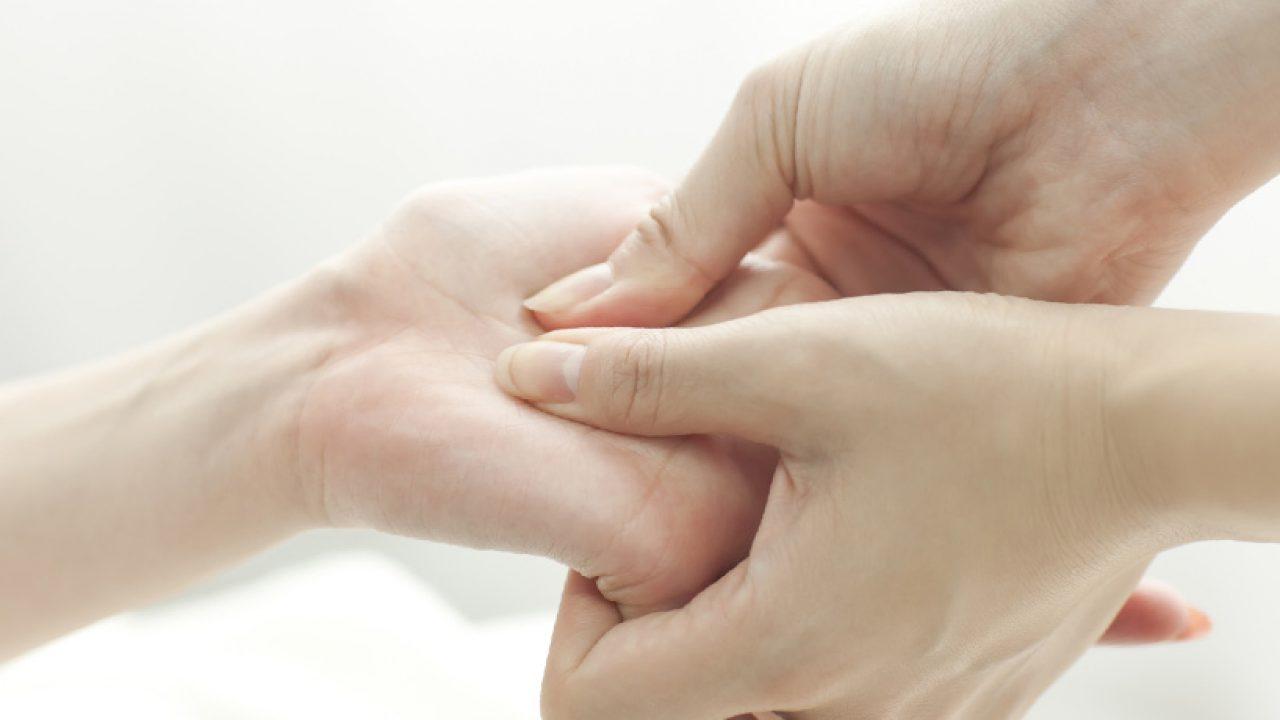
Reflexology is an alternative therapy that dates back to ancient Egypt and China. This practice involves applying pressure to specific points on the feet, hands, and ears. It is believed that these pressure points are connected to other parts of the body and that by stimulating them, reflexologists can promote healing in those areas.
There are three main types of reflexologies: foot reflexology, hand reflexology, and ear reflexology. Each type of reflexology involves applying pressure to specific points on the body.
Foot reflexology is a type of reflexology that involves applying pressure to specific points on the feet. It is believed that these pressure points are connected to other parts of the body and that by stimulating them, reflexologists can promote healing in those areas.
Hand reflexology is similar to foot reflexology, but it involves stimulating points on the hands instead of the feet. It is believed that the hand pressure points are connected to different parts of the body and by stimulating them, reflexologists can promote healing in those areas.
Ear reflexology is a type of reflexology that involves applying pressure to specific points in the ear. It is believed that these pressure points are connected to other parts of the body and that by stimulating them, reflexologists can promote healing in those areas.
Reflexologists believe that the feet and hands are connected to other parts of the body through energy lines. They believe that applying pressure to specific points on the feet and hands can help to clear these energy lines and promote healing in the body.
Reflexology rests on the ancient Chinese belief in qi (pronounced “chi”), or “vital energy.” According to this belief, qi flows through each person. When a person feels stressed, their body blocks qi.
This can cause an imbalance in the body that leads to illness. Reflexology aims to keep qi flowing through the body, keeping it balanced and disease-free.
In Chinese medicine, different body parts correspond with different pressure points on the body. Reflexologists use maps of these points in the feet, hands, and ears to determine where they should apply pressure.
In the 1890s, British scientists found that nerves connect the skin and internal organs. They also found that the body’s entire nervous system tends to adjust to outside factors, including touch.
A reflexologist’s touch may help to calm the central nervous system, promoting relaxation and other benefits just like any form of massage.
Others believe that the brain creates pain as a subjective experience. Sometimes, the brain reacts to physical pain. But in other cases, it may create pain in response to emotional or mental distress.
Some believe that reflexology can reduce pain through calming touch, which may help to improve someone’s mood and reduce stress.
Zone theory is another belief that some use to explain how reflexology works. This theory holds that the body contains 10 vertical zones. Each zone contains different body parts and corresponds to specific fingers and toes.
Practitioners of the zone theory believe that touching these fingers and toes allows them to access every body part in a particular zone.
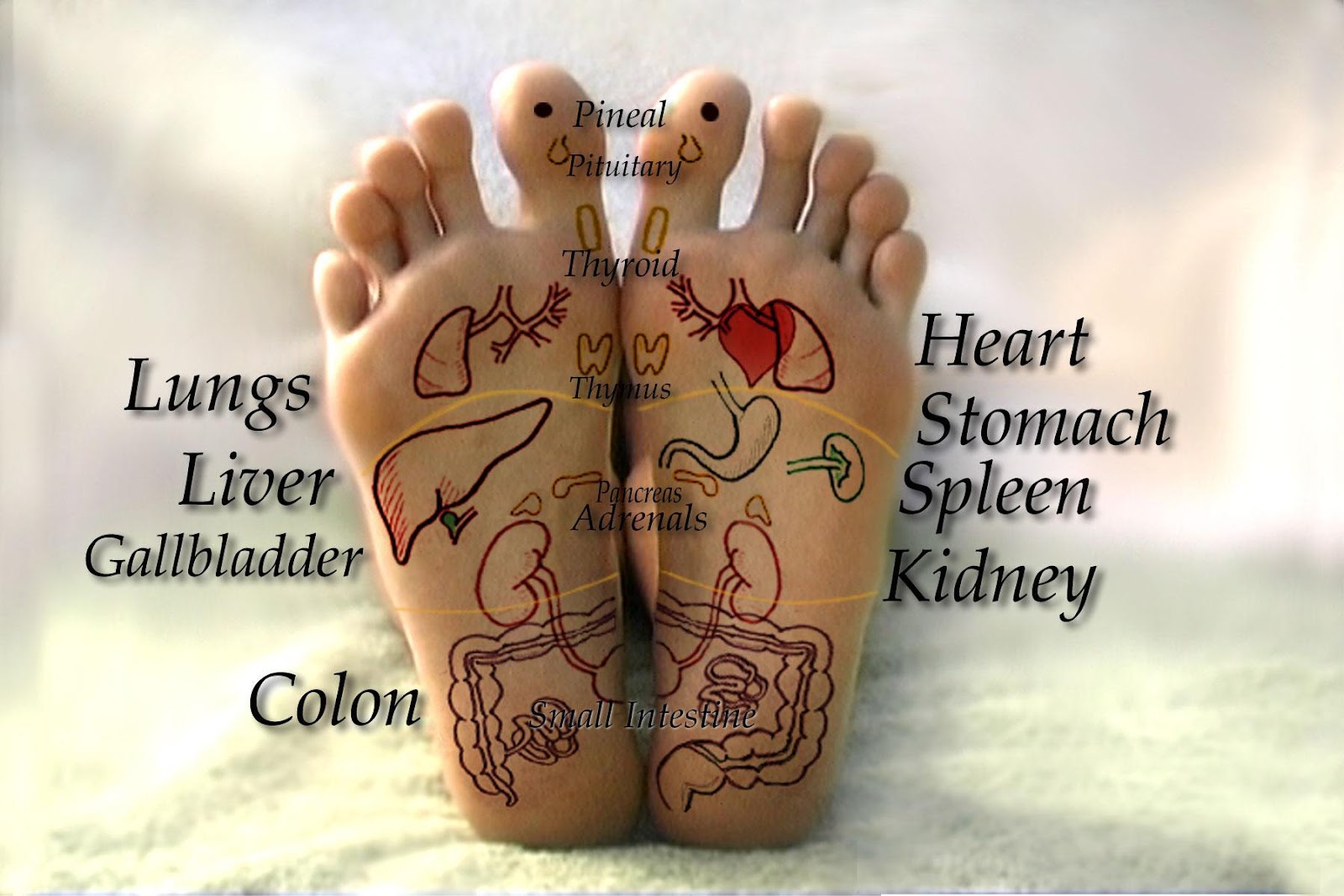
There are many potential benefits of reflexology, including reducing stress, improving circulation, and alleviating pain. However, there is limited scientific evidence to support these claims.
While there is limited scientific evidence to support the claims that reflexology can provide health benefits, many people believe that it is an effective treatment.
Here are the benefits of Reflexology:
Stimulation of the nervous system is one of the benefits of reflexology. This can help to improve nerve function and increase feelings of well-being.
Reflexology has been shown to reduce stress and anxiety in some people. It is thought that this may be due to the release of endorphins, which are hormones that act as natural painkillers.
Reflexology may also help to improve circulation by stimulating blood flow to the areas that are being treated. This can help to reduce swelling and pain.
Headaches and migraines are common problems that can be caused by stress or tension. Reflexology may help to relieve these by reducing the tension in the muscles.
Reflexology may also help to improve digestion by stimulating the digestive system. This can help to reduce bloating and constipation.
If you have trouble sleeping, reflexology may be able to help. It is thought that this therapy can promote relaxation and improve sleep quality.
Reflexology is also thought to help the body to eliminate toxins, protecting your body from the various diseases and health conditions that can often arise from a compromised urinary system. This can help to improve overall health and well-being.
Reflexology may also help to speed healing after an injury or surgery. This is thought to be due to the improved circulation and reduced stress levels that reflexology can promote.
In addition, reflexology has been shown to be helpful in the treatment of cancer. This is thought to be due to the ability of reflexology to reduce stress and promote relaxation. Reflexology is also thought to help improve circulation and stimulate the immune system.
Reflexology is also said to be helpful in pregnancy and menstruation. This is thought to be due to the ability of reflexology to reduce stress and promote relaxation. Reflexology is also thought to help improve circulation and stimulate the immune system.
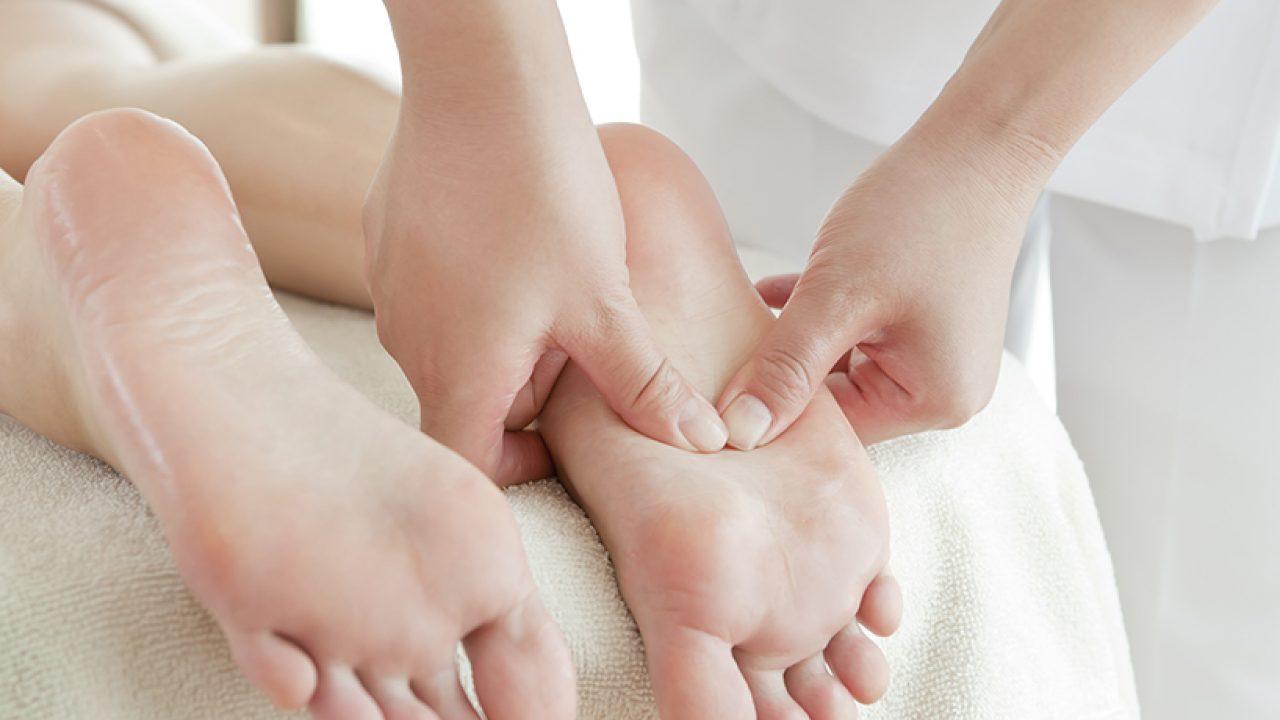
No, a reflexology massage should not hurt. If you do feel discomfort, it is likely because the pressure is too intense. You should let your reflexologist know so they can adjust the pressure accordingly.
There is no real alternative to reflexology. However, there are other massage techniques that can be used to provide similar benefits. These include Swedish massage, deep tissue massage, and acupressure.
Swedish massage is a type of massage that uses long strokes, kneading, and friction to help relieve tension and promote relaxation. It is one of the most popular types of massages.
The main difference between Swedish massage and reflexology is the techniques used. Swedish massage uses long strokes while reflexology uses pressure point massage. Reflexology is also said to be more specific and targeted than Swedish massage.
Deep tissue massage is a type of massage that uses slow, deep strokes to reach the deepest layers of muscle and connective tissue. It is often used to relieve pain and tension in the body.
The main difference between deep tissue massage and reflexology is the depth of pressure used. Deep tissue massage uses slow, deep strokes while reflexology uses light to moderate pressure. Reflexology is also said to be more specific and targeted than Deep tissue massage.
Acupressure is a type of massage that uses pressure points on the body to relieve pain and tension. It is similar to acupuncture, but instead of using needles, acupressure uses pressure from the fingertips or fingers.
The main difference between acupressure and reflexology is the amount of pressure used. Acupressure uses more pressure than reflexology. Reflexology is also said to be more specific and targeted than acupressure.
Generally, reflexology is very safe, even for people living with serious health conditions. It’s noninvasive and comfortable to receive, so it may be worth trying if it’s something you’re interested in.
However, you should talk to your doctor first if you have any of the following health issues:
So, does reflexology work? There is certainly a lot of anecdotal evidence that suggests it does.
Reflexology is a therapy that has been used for centuries to promote health and well-being. To experience all of its benefits, contact us today! Our blog posts are informative as we offer tips on how you can get started with this amazing treatment yourself!
Massage therapy is often seen as a way to relax and de-stress. However, did you know that massage therapy can also help treat a variety of diseases? In this blog post, we will take a look at the top ten diseases that massage therapy can help with. From back pain to cancer, massage therapy has been an effective treatment for many different conditions!
Table of Contents:
Massage therapy is a type of therapy that uses touch to manipulate the soft tissues of the body. Massage therapy can be used to relieve pain, increase circulation, and reduce stress. Massage therapy has been shown to be effective in a wide variety of conditions, including arthritis, cancer, and fibromyalgia.
So, without further ado, let’s take a look at the top ten diseases that massage therapy can help with:

Arthritis is a condition that causes inflammation and pain in the joints. Massage therapy can help to reduce this pain by increasing circulation and relaxation. Additionally, massage therapy can help to increase the range of motion and flexibility in the joints, which can be helpful for people with arthritis.
Cancer is a disease that can cause severe pain and fatigue. Massage therapy can help to relieve some of this pain by increasing circulation and relaxation. Additionally, massage therapy can help to improve lymphatic drainage, which can help to reduce swelling and improve immunity.
Depression is a mental illness that can cause feelings of sadness, isolation, and fatigue. Massage therapy can help to improve mood by increasing circulation and relaxation. Additionally, massage therapy can help to release endorphins, which are hormones that have mood-boosting effects.
Fibromyalgia is a condition that causes widespread pain and fatigue. Massage therapy can help to reduce this pain by increasing circulation and relaxation. Additionally, massage therapy can help to increase the range of motion and flexibility in the joints, which can be helpful for people with fibromyalgia.
Headaches are a common ailment that can cause severe pain. Massage therapy can help to reduce the pain by increasing circulation and relaxation. Additionally, massage therapy can help to release of endorphins, which are hormones that have mood-boosting effects.
High blood pressure is a condition that can be caused by stress. Massage therapy can help to reduce stress and tension, which can help to lower blood pressure. Additionally, massage therapy can help to increase circulation and relaxation, which can also help to lower blood pressure.
Digestive disorders are often caused by stress. Massage therapy can help to reduce the stress and tension that is associated with digestive disorders. Additionally, massage therapy can help to stimulate the digestive system, which can help to improve digestion.
Insomnia is a condition that causes difficulty falling asleep or staying asleep. Massage therapy can help to improve sleep by increasing circulation and relaxation. Additionally, massage therapy can help to release endorphins, which are hormones that have mood-boosting effects.
Multiple sclerosis is a condition that causes the immune system to attack the nervous system. Massage therapy can help to improve symptoms of multiple sclerosis by reducing pain, improving circulation, and promoting relaxation. Additionally, massage therapy can help to increase range of motion and flexibility.
Pregnancy can be a time of many aches and pains, as the body goes through many changes. Massage therapy can help to alleviate some of these discomforts by reducing stress, improving circulation, and promoting relaxation. Additionally, massage therapy can help to release endorphins, which can help improve mood and reduce pain.
Rheumatoid arthritis is a condition that causes inflammation in the joints. Massage therapy can help to reduce pain and stiffness in the joints while promoting relaxation. Additionally, massage therapy can help to increase range of motion and flexibility.
Stress is a common condition that can cause a variety of symptoms, including anxiety, headaches, and insomnia. Massage therapy can help to reduce stress by promoting relaxation. Additionally, massage therapy can help to improve mood and reduce anxiety.
There is no one-size-fits-all answer to this question, as the best type of massage for a particular condition will vary depending on the individual and the specific condition. However, some common types of massage that can be beneficial for various conditions include Swedish massage, deep tissue massage, and trigger point massage. If you are unsure which type of massage would be best for you, please consult with a qualified massage therapist.
Swedish Massage: This is the most common type of massage, and it is also one of the gentlest. It uses long, flowing strokes to relax the body and promote circulation.
Deep Tissue Massage: This type of massage is more focused and uses more pressure than Swedish massage. It is often used to release knots and tension in the muscles.
Trigger Point Massage: This type of massage is used to release trigger points, which are areas of muscle that have become tight and painful. Trigger point massage can be quite helpful for relieving pain.
There are a few conditions that massage therapists should avoid or be cautious about. These include:
-Pregnancy: Massage during pregnancy while can be relaxing should be done only based upon consultation with a doctor (OBGYN).
-Blood Clots: Massage can break up blood clots, so it is best to avoid it if you have a blood clotting disorder or are taking blood thinners.
-Infectious Diseases: If you have an infectious disease, such as hepatitis or HIV, massage can spread the infection. It is best to avoid it unless your doctor gives you specific permission.
There are many benefits of massage therapy. These include:
Relieving Pain: Massage can help to relieve pain by increasing blood flow and relaxing muscles.
Improving Sleep: Massage can improve sleep by reducing stress and tension.
Reducing Stress: Massage can reduce stress by promoting relaxation.
Improving Circulation: Massage can improve circulation by increasing blood flow.
Boosting Immunity: Massage can boost immunity by stimulating the lymphatic system.
Reflexology is a type of massage that focuses on the individual reflex points within the feet (as well as the hands and ears). These different points correspond to different areas and organs within the body, and by kneading the ball of the foot, pulling on the toes, and applying pressure to the arch of the foot, it’s believed healing outcomes can be achieved.
Reflexologists believe that when a person is experiencing sensitivity or tenderness in the feet, it’s a sign of imbalances within the body. These blocked energies can be cleared away to support better blood flow and nutrient delivery, by massaging the nerve endings in the feet, hands, and ears.
Using massage to release the soft tissue surrounding the muscles can be amazing for dealing with a range of common concerns. Easing the congestion of the tissue, encouraging elasticity, and boosting muscle length can help decrease recovery time after exercise, as well as alleviate pain and inflammation. It involves stretching the muscle out, and then applying physical pressure to the muscle in its stretched state.
The cross-fiber friction technique is a specific massage movement that works to break down muscle tissue adhesions and scar tissue surrounding injuries. In turn, it can assist the recovery of motion in the specific areas, increasing flexibility and joint lubrication by encouraging blood and lymph flow to the area.
For this technique, simply use the ball of the thumb to rub the painful or inflamed area in circular movements.
Although it’s always nice to take a breather and have someone else massage you, self-massage is another at-home option. If you’ve got a particular area that’s causing you pain, it can really help to apply pressure. This will ease the tension in the muscle ligaments.
You could use a tennis ball to roll into your rotator cuff muscles or use a foam roller to assist with lower back pain and lengthening the muscles in your legs.
Of course, there really is nothing better than treating a loved one to a tranquil and well-deserved massage purely for relaxation. Create a relaxing atmosphere by lighting some candles and having hot towels ready, and then use long strokes with essential oils to leave them feeling like a million bucks!
There you have it! These are just a few ways by which massage therapy can help improve your health and well-being. If you’re dealing with any of the issues mentioned above, be sure to give massage therapy a try! You won’t regret it!
We hope you enjoyed reading this blog post and found it informative. If you have any questions or would like to book an appointment, please don't hesitate to contact us. We look forward to hearing from you soon!
Thanks for reading! Check out our services and recent blog posts to witness the goodness of Massage Therapy for our wellness.
There are many benefits to be gained from combining yoga and massage therapy. Both of these practices offer a host of physical and mental health benefits, and when used together, they can have an even more powerful impact. In this blog post, we will discuss the benefits of both yoga and massage therapy, as well as how they complement each other. We'll also provide some tips on how to get the most out of your yoga and massage sessions!
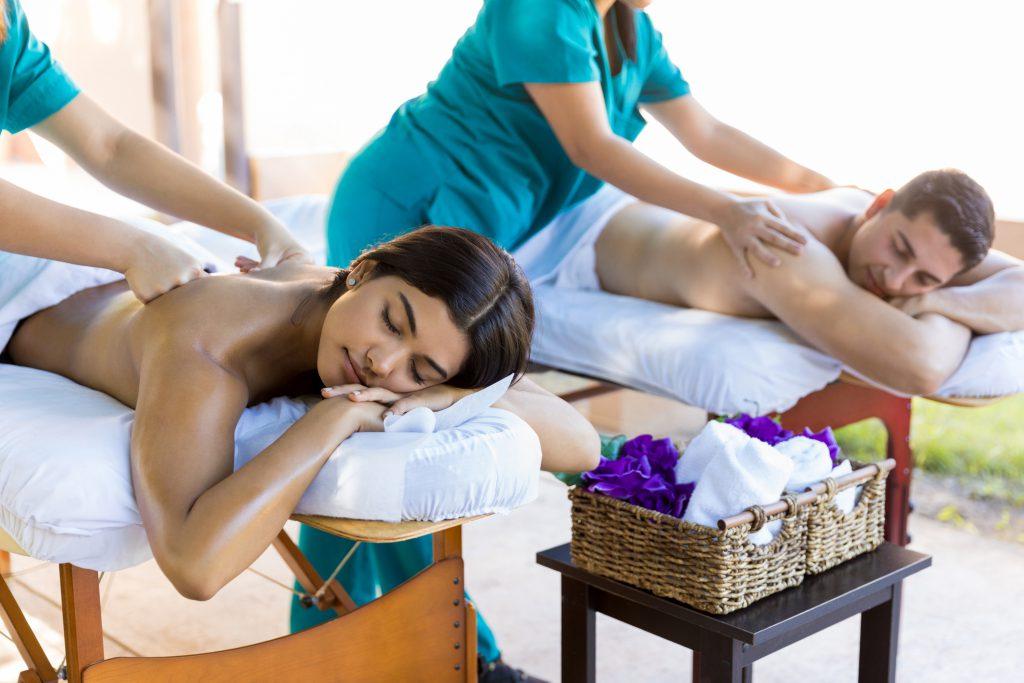
Massage therapy is the manual manipulation of the soft tissues of the body. Massage therapists use their hands, fingers, elbows, knees, forearms, and feet to massage the muscles and connective tissues. Massage has been shown to relieve pain, tension headaches, neck pain, lower back pain, and improve sleep quality.
Massage therapy is one of the oldest and most commonly used forms of healthcare in the world. It is used to treat a variety of conditions including:
When used in conjunction with other forms of treatment, massage therapy has been shown to provide a number of benefits, including:
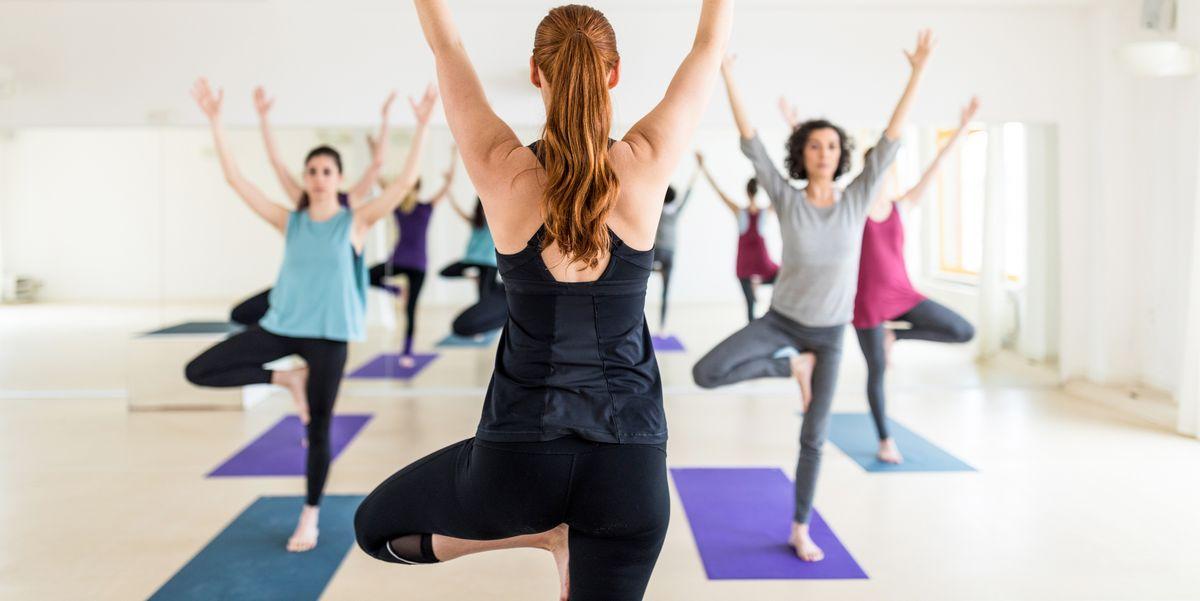
Yoga is a mind-body practice that originated in India over 5000 years ago. Yoga consists of poses (asanas), breathwork (pranayama), and meditation, and can be practiced by people of all ages and abilities. Yoga has been shown to improve flexibility, strength, balance, and cardiovascular health, as well as reduce stress and anxiety.
Yoga is important for many reasons. One of the most important reasons is that it helps to stretch and strengthen the muscles, ligaments, and tendons. This can help to prevent injuries, as well as reduce pain from existing injuries. Yoga can also help to improve range of motion and flexibility, which can lead to better performance in other activities such as sports or weightlifting. In addition, yoga has been shown to reduce stress and anxiety, improve sleep quality, and increase overall energy levels.
The benefits of yoga are many and varied. As mentioned above, yoga can help to prevent injuries, as well as reduce pain from existing injuries. Yoga can also help to improve range of motion and flexibility, which can lead to better performance in other activities such as sports or weightlifting. In addition, yoga has been shown to reduce stress and anxiety, improve sleep quality, and increase overall energy levels.
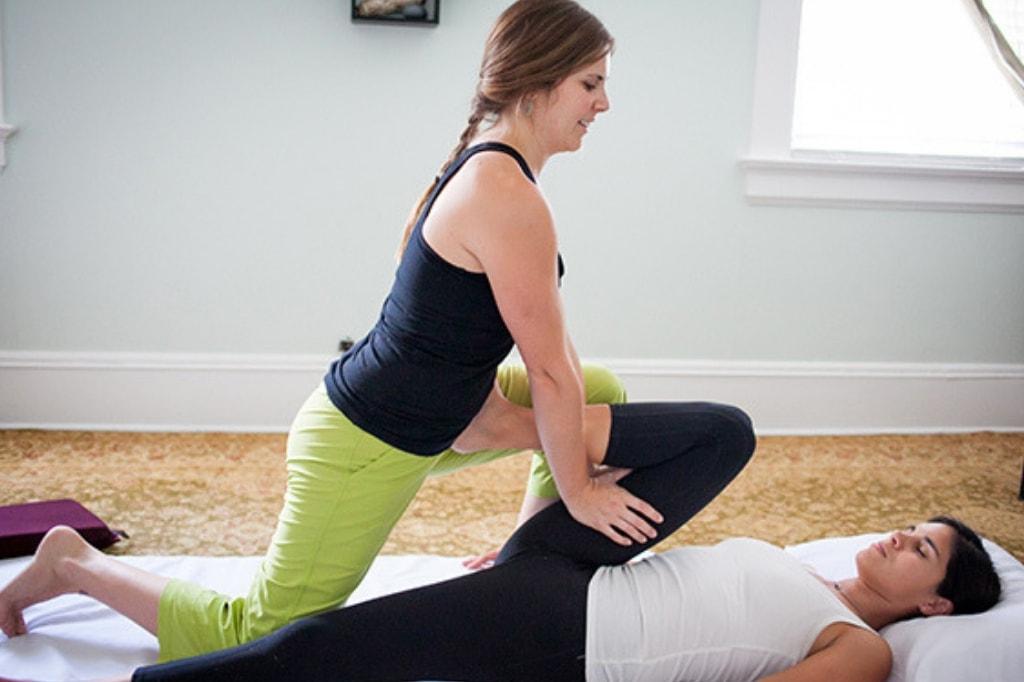
Massage therapy complements yoga by helping release tension in the muscles, tendons, and ligaments. This can lead to improved range of motion and flexibility, as well as reduced pain from existing injuries. Massage therapy can also help to improve circulation and decrease inflammation. When combined with yoga, massage therapy can provide an even more effective way to improve overall health and well-being.
When it comes to physical and mental health, there are few things that can compete with the benefits of yoga and massage therapy. Both practices have shown to improve a wide range of health conditions, from stress and anxiety to chronic pain and insomnia. But what if you could get even more out of these two healing modalities by combining them?
Believe it or not, combining yoga and massage therapy can provide even more benefits than practicing them individually. Here are just a few ways in which these two therapies complement each other:
When yoga and massage therapy are combined, the benefits are greater than when either modality is used alone. Massage therapy can help to release tension in tight muscles, which can then be followed up with specific poses to further stretch those muscles. The deep breathing exercises practiced in yoga can help to improve circulation, while massage therapy can help to decrease swelling and inflammation. Both yoga and massage therapy are known for their stress-relieving effects, which can lead to improved moods and reduced anxiety levels. In addition, both modalities can improve joint mobility and range of motion, while helping to reduce pain levels. When used together, yoga and massage provide a well-rounded approach to physical and mental wellness.
There are many different types of massage, but Swedish massage is one of the most common. This type of massage uses long, smooth strokes to promote relaxation and ease muscle tension. It can be used as a standalone treatment or as part of a more comprehensive plan that includes other modalities such as yoga. Massage therapy is generally considered safe for most people, but there are some contraindications to be aware of. These include pregnancy, certain medical conditions, and intake of certain medications. Be sure to consult with your doctor before booking a session.
Swedish massage isn't the only type of massage available; there are also deep tissue massages, trigger point massages, and sports massages. Each type of massage has its own set of benefits, so be sure to ask your therapist what they recommend for you.
Yoga practitioners who receive massage therapy before their yoga practice report feeling more relaxed and less likely to be injured during their practice.
Yoga practitioners who receive massage therapy after their yoga practice report feeling less tired and more flexible.

There are many different types of yoga, so it is important to find the one that best suits your needs. If you are new to yoga, we recommend starting with a beginner's class at a local studio. Once you have mastered the basics, you can start practicing at home by following along with online tutorials or DVDs. Just be sure to use a mat and props (blocks, straps, and blankets) to help support your body and prevent injuries.
And lastly….
Remember that yoga is not about perfection; it is about being present in each moment and listening to your body. If something feels wrong or uncomfortable, please stop doing it! Yoga is meant for everyone, so just relax, and enjoy the journey.

Now that you understand the benefits of yoga, it's time to find a therapist who can help you achieve your goals. When looking for a massage therapist, be sure to ask about their training and experience. It is also important to find someone who understands your needs and makes you feel comfortable. If you don't click with your therapist, it will be difficult to make progress.
Luckily, there are many ways to find a good therapist. One great resource is the website MassageTherapy.com, which allows you to search by location and specialty. You can also ask friends or family members for recommendations.
Once you have found a few therapists that interest you, take some time to interview them. Ask about their approach to massage therapy and what they think are the benefits. Be sure to tell them about any health conditions you have and any areas of your body that are particularly sensitive.
You don't have to look further; we are open to serve you.
Our Therapists use a variety of techniques, depending on your needs. Some therapists use light pressure, while others use deep pressure. Some use a combination of techniques. Be sure to discuss your preferences with our therapist before the massage begins.

If you're looking for a yoga instructor, be sure to ask about their training and experience as well. It is also important to find someone who understands your needs and makes you feel comfortable. If you don't click with your instructor, it will be difficult to make progress.
Luckily, there are many ways to find a good instructor. One great resource is the website YogaTrail.com, which allows you to search by location and specialty. You can also ask friends or family members for recommendations.
Once you have found a few instructors that interest you, take some time to interview them. This will help you get a better sense of their teaching style and whether or not they will be a good fit for you.
Yoga and massage therapy are two holistic modalities that offer a variety of benefits for the mind and body. When used together, they can complement each other and help to create an overall sense of well-being. If you're looking for a way to relax and rejuvenate, consider adding yoga and massage therapy to your self-care routine. You can book an appointment with us, and we will provide the service that you need. We offer a variety of services that will benefit your mind and body!
Sometimes we experience buttocks pain, down to our legs that are interfering with our daily activities. What causes this pain? What are the symptoms? How do we reduce the pain? There are many causes for buttocks pain down to the legs, but one that stands out is Sciatica. This condition can be relieved with a therapeutic massage. Read on how this works!
Without further ado let's start defining what sciatica is.
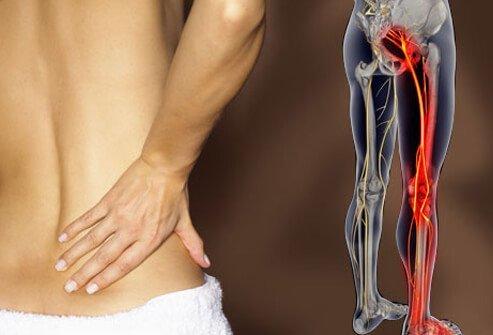
Sciatica is nerve pain from an injury or irritation to the sciatic nerve, which originates in your buttock/gluteal area. The sciatic nerve is the longest and thickest (almost finger-width) nerve in the body. It’s actually made up of five nerve roots: two from the lower back region called the lumbar spine and three from the final section of the spine called the sacrum. The five nerve roots come together to form a right and left sciatic nerve. On each side of your body, one sciatic nerve runs through your hips, buttocks and down a leg, ending just below the knee. The sciatic nerve then branches into other nerves, which continue down your leg and into your foot and toes.
True injury to the sciatic nerve “sciatica” is actually rare, but the term “sciatica” is commonly used to describe any pain that originates in the lower back and radiates down the leg. What this pain shares in common is an injury to a nerve, an irritation, inflammation, pinching, or compression of a nerve in your lower back.
If you have “sciatica," you experience mild to severe pain anywhere along the path of the sciatic nerve – that is, anywhere from the lower back, through the hips, buttocks, and/or down your legs. It can also cause muscle weakness in your leg and foot, numbness in your leg, and an unpleasant tingling pins-and-needles sensation in your leg, foot, and toes.
People describe sciatica pain in different ways, depending on its cause. Some people describe the pain as sharp, shooting, or jolts of pain. Others describe this pain as “burning,” "electric” or “stabbing.”
The pain may be constant or may come and go. Also, the pain is usually more severe in your leg compared to your lower back. The pain may feel worse if you sit or stand for long periods of time and when you twist your upper body. A forced and sudden body movement, like a cough or sneeze, can also make the pain worse.
The hip is a complex joint and there are several reasons why it can cause pain. (lower back injury, core/hip flexor tightness, or improper aiming of your muscles).
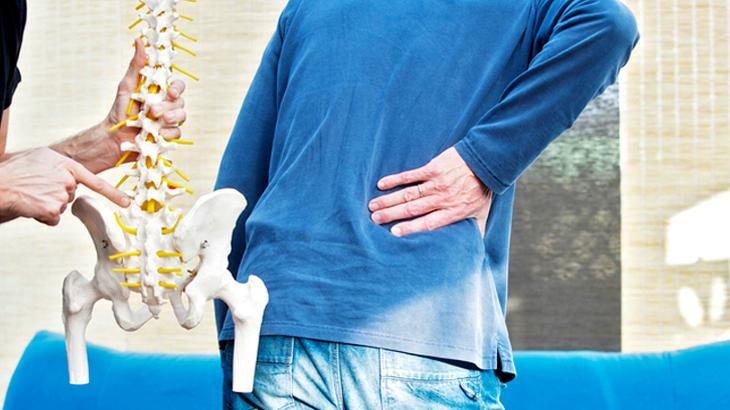
The symptoms of sciatica include:
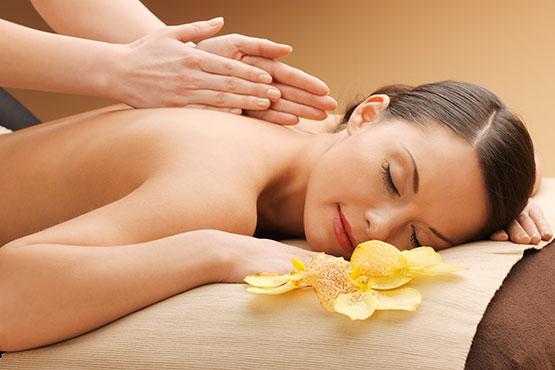
When you are suffering from sciatica, a massage can provide relief. The main benefit is to soothe tense muscles and reduce pressure on nerves including the one that runs through your spine all of its length-which could cause immense pain in some cases! Soft tissue massages also stimulate the release of endorphins which make people happy because they boost pleasure levels as well relieve discomfort caused by chronic ailments such as these back problems or headaches among others.
Deep tissue massage
A deep tissue massage is an aggressive form of massage that uses slow strokes and deep finger pressure to release tension from your muscles and connective tissues. A 30-minute session of deep tissue massage five days a week over two weeks was found to effectively treat low back pain, including sciatica.
Swedish massage
Swedish massage doesn’t use as much pressure as deep tissue massage. Instead, flowing, kneading movements are used to stimulate nerve endings in your connective tissue and increase blood flow. It also helps to release general tension and promote relaxation.
Neuromuscular massage
Neuromuscular massage uses advanced massage techniques that combine deep tissue pressure and friction to release contracted muscles and relieve tension.
Myofascial release
Myofascial release is a technique used to relieve pain that stems from your myofascial tissues the tough membrane that surrounds and supports your muscles.
Trigger points, which are stiff, immovable areas within the myofascial tissues, cause pain and stiffness. Focused pressure and stretching on the trigger points help to reduce pain and stiffness.
Hot stone massage
A hot stone massage is used to promote relaxation and ease tense muscles. Heated stones are placed on specific parts of your body and may be held by the massage therapist while they use Swedish massage techniques.
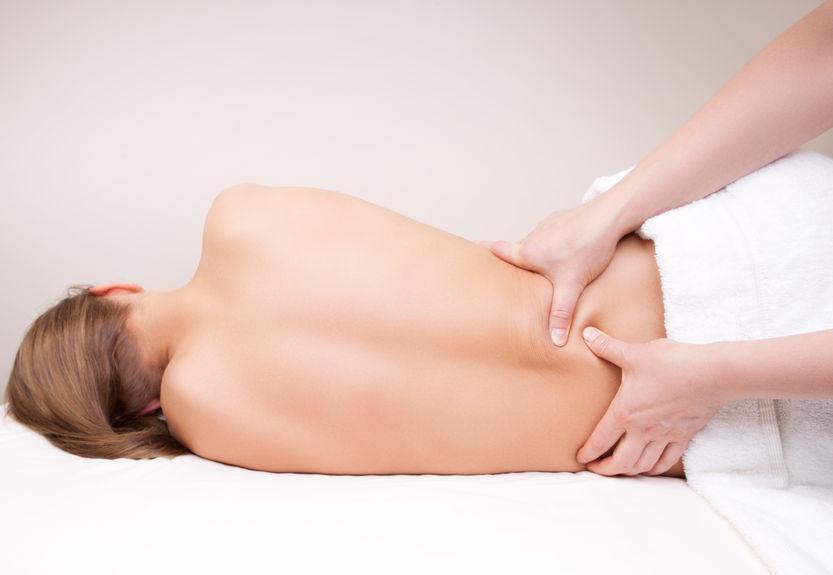
When sciatica symptoms flare up, it's important to know that they can be resolved with a massage. A Massage Therapist will work on the midsection of your body addressing a range of motion and muscle tension in addition to nerve pattern (dermatome).
The outcome depends greatly upon an individual’s activity level; how often you sit or stand during working hours; strength/balance skills which are influenced by both physical capabilities as well dietary habits. Some people experience significant relief after two sessions while others might need couple of months before noticing any changes.
Track changes in pain patterns and when the pain comes, The Hip flexor and Groin stretches will help you recover faster from a sports injury. The Glut Stretch can be especially painful, but it's an important part of the recovery process because when our body is in pain, that means there are muscles being repaired or replaced!
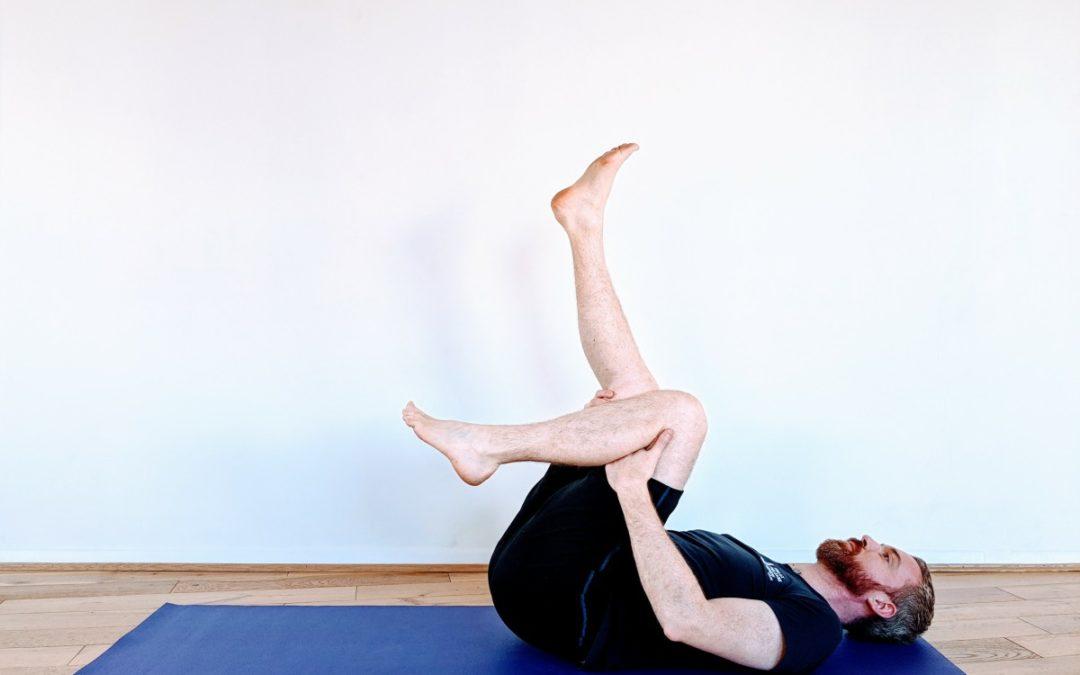
Nerve flossing involves performing various gentle exercises used to mobilize and stretch the nerves to reduce irritation and improve your range of motion, especially in the hips. Nerve flossing may also be called neural gliding, nerve gliding, or nerve mobilization. The exercises can be done easily at home as you don’t need any equipment and the instructions are simple.
Nerve flossing is most effective when used in combination with other treatments, such as physical therapy and medications. Be sure to contact your doctor if you have not yet received a diagnosis, because the cause of sciatica greatly helps to determine treatment.
Mobilizing floss
Seated sciatic nerve floss
Hamstring floss
Wrap Up
Therapeutic Massage is a truly effective way of relieving Sciatica. There are different types of massages you can choose from, and by following these exercises it will help in your recovery process so don't hesitate to heal yourself with us! We always want what's best for our clients so book an appointment today.
Our goal isn’t just about pain relief; we aim at total wellness through therapeutic touch.
Stress is a big problem for many people. Yoga, massage, and even ice cream can help to relieve stress, but what if you want something more? Cupping has been around since the ancient civilizations of China and Egypt where it was used as an alternative medicine because blood vessels were broken by this process, in order to create better circulation which meant that the tissues healed faster than before. In this blog post we will discuss cupping therapy and its amazing benefits, so read along to know more :
Let's start by understanding what cupping therapy is.
What is Cupping Therapy?
Cupping is one of the oldest known treatments for multiple illnesses. Throughout history, cupping techniques and styles have often resembled the geographic locations they were practiced in, as well as utilizing a region’s local materials: animal horns, bamboo, ceramic, glass, metal, and plastic have all been used in this practice found in Ancient Egyptian, Chinese, Unani, Korean, Tibetan, and Latin American cultures, all of which have served the purpose of supporting the body’s ability to heal itself. In North Africa, cupping therapy was first documented on Eber’s papyrus (1550 BCE), where a cup is an Egyptian glyph to reference a physician. In Asia, during the Jin dynasty, Ge Hong (281-341 CE) mentions the use of animal horns as a means of draining fluids from the body.
The history of cupping dates to ancient times in China. It has been used as a therapeutic tool for thousands upon millennia, and it continues today because people love how effective this technique is at reducing inflammation!
What does it look like?
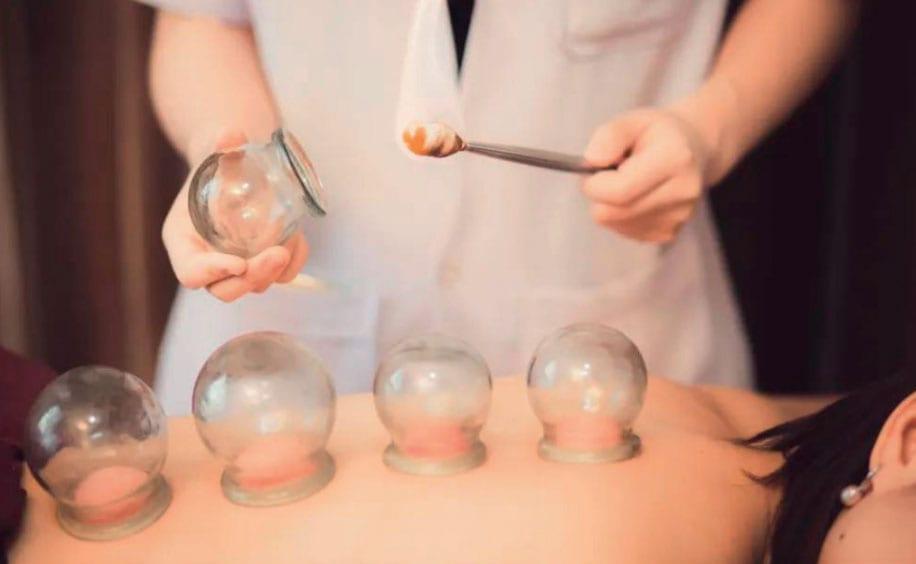
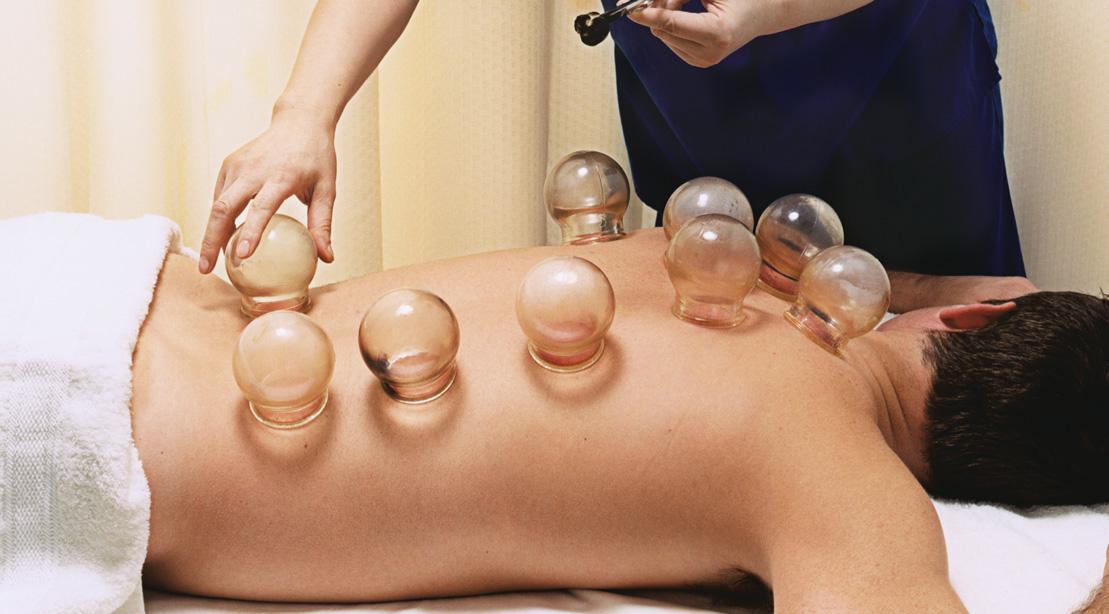
Cups used in cupping are like glass or plastic snow globe-like balls that range from three-quarters of an inch up for small ones, four inches round. They're placed on the skin while air is removed by pumps and sometimes lit with a flame inside cups themselves creating vacuums. The process looks kind of cool because you can see what's going on within these little happiness holders.
What are the types of cups?
Most providers use glass or plastic cups, but cups may be:
How does it work?
A cup is placed over an area that's being treated by Chinese medicine practitioners- usually on top of your skin or inside muscles (like deep muscle tissue). The suction created from doing so helps break down scarring cells which allows them easier access into deeper layers, allowing more circulation between blood vessels.
There are different ways to perform cupping. The steps vary slightly depending on the chosen method. Your provider will leave the cups in place for several minutes. Some treatments involve briefly moving the cups to stretch and massage the area.
Depending on the treatment, your provider may place multiple cups on your skin. Cupping methods include:
Dry: Your provider heats the inside of each cup — typically with an alcohol-soaked cotton ball that is set aflame. The heat sends oxygen out of the cup, creating a vacuum. Some providers use a suction device to remove air from cups. Once placed on your skin, the vacuum force pulls the skin up into the cup.
Wet: Your provider uses a needle to lightly puncture your skin before, and sometimes after, cupping. Toxins leave the body through the puncture wounds during the cupping procedure.
How does it help?
The body has many different ways to deal with pain, one way is cupping, which can help move stagnant fluids out of an area and make it easier on you
What are the Benefits?
Increases Circulation
The application of suction from cups can help relieve muscle tension and promote cell repair. The increased circulation that results helps to reduce the appearance of cellulite by promoting healthier skin cells, which are more likely to be healthy in appearance due to cupping's effects on blood flow.
Releases Toxin
With the modern lifestyle, you are constantly vying for time and energy. Toxins build up in your body which can cause a variety of health problems from headaches to cancer! Cupping offers an innovative way to release these unwanted materials by boosting blood flow while focusing on specific areas within our mouths where there is most buildup. This will help stimulate lymphatic drainage that carries away waste products through sweat or urine without having any negative effect whatsoever on regular bodily functions, since it does not require removal procedures for enemas or colonics. This could be something worth considering given today’s fast-paced lives.
Reduces Anxiety
The cups on your skin make you feel as though they are gliding through the water. This sensation causes a chain of events that lead to deep relaxation, which will be experienced throughout every part or cell in one's body, beginning with slowing down the heart rate and assisting digestion before increasing intestinal activity for better nutrient absorption.
Reduces Stretch Marks and Scars
The application of cupping to stretch marks and scars is not only effective but has also been shown time after again in various studies. This treatment can help remove edema, reduce the appearance or severity of scarring due to its increased blood flow that enables your body's natural detoxification process while also restoring lymphatic circulation all around it.
Improves Varicose Veins and Spider Veins
When the valves inside your veins aren't working properly, blood collects in these varicose areas. The flesh becomes blue and swollen due to lack of oxygenation for longer periods than other parts of the skin and Cupping helps bring fresh fluids back into circulation which will make any lightening effects last much better than just treating with medication alone. After one session you'll notice some improvement, but again, there needs to be many sessions before lasting results become noticeable!
Clears Congestion and Helps Treat Asthma
Colds, bronchitis, and even asthma can be treated with cupping. The suction from cups breaks up congestion by removing fluid that has built up in your lungs to clear out any infection or illness before it gets worse! It also helps bring oxygen-rich blood & lymph towards the area where you need more airflow which goes on sinuses as well facial muscles for tighter passageways
Clears Colon Blockages and Aid Digestion
Cupping is a natural therapy that can help you with many ailments. One of the most popular uses for this ancient technique involves increasing blood flow to your digestive tract, stimulating peristalsis (the contractions which push food through our intestines), and clearing blockages in the colon or other parts within our body while making sure we're getting enough fluids during these processes
Is it Painful?
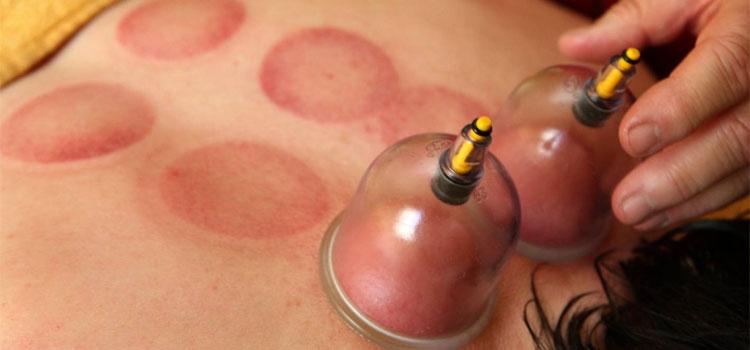
Cupping is a therapy that many people use to solve their pain problems. It can be done on the back, neck, and shoulders or where there's any other sort of discomfort. It's not painful but it causes temporary bruising and some soreness depending upon how much suction was created by an actual vacuum and degree stasis (or lack thereof).
What is Cupping Therapy Used to Treat ?
What are the Side Effects?
As with all treatments, there is the potential for side effects. Known risks and hazards in cupping therapy includes low-risk protocols that can cause mild bruising at sites; however, they disappear within ten days without long-term consequences or problems associated with this process.
Who can Benefit from Cupping Therapy?
Cupping is a therapeutic technique that has been used for centuries to help people heal. It can be done by anyone, but there are some precautions and limitations in place depending on your age or health status.
Athletes enjoy the benefits too! The majority (if not all) of healthy individuals will find cupped therapy beneficial. Extra caution should also be taken when performing this treatment upon seniors, because they may suffer from complications due to their age. Children could potentially benefit if performed by an experienced practitioner who knows exactly what's going on.
Who shouldn’t get cupping?
Because researchers know little about cupping’s effects on pregnancy, moms-to-be shouldn’t get the therapy. You should also forego cupping if you have:
How to do it at Home?
There are many ways to get started with cupping at home. However, not all of the products on store shelves will work for every person because they may be too dangerous or difficult to use depending upon your level of experience in this area.
Home practice cups can easily break if handled improperly which could lead to serious complications like infection due to lack of protection offered by traditional medical equipment used during treatment sessions provided by physicians especially those who specialize either exclusively or mostly within the field. So before adopting these methods first talk openly regarding the risks.
Wrap Up
There are many benefits of cupping therapy, but it is important to note that cupped therapy is not a substitute for medical treatment. Book an appointment today if you wish to enjoy the treatment.
It's no secret that staying youthful is one of the most important factors in life. We all want to feel young and vibrant, but as we age our bodies begin to deteriorate.
Mitochondrial dysfunction is a common feature of aging and many diseases. Symptoms closely match those we associate with growing old, including fatigue, being overweight or obese; cognitive problems such as memory loss and even diabetes! Your cells have these tiny power plants that govern how fast you burn calories, but it's possible to coax them into making more if needed by taking supplements like Mitosyn (or other products) starting at an early age so they can work their magic earlier in life than would otherwise be possible without help from external sources.
The question is what can we do about it? Recently, scientists have discovered how mitochondria may act as a natural anti-aging solution! Read along and find out how mitochondria can make you age slower.
Without further ado let's get started, now let's start with understanding what are Mitochondria.
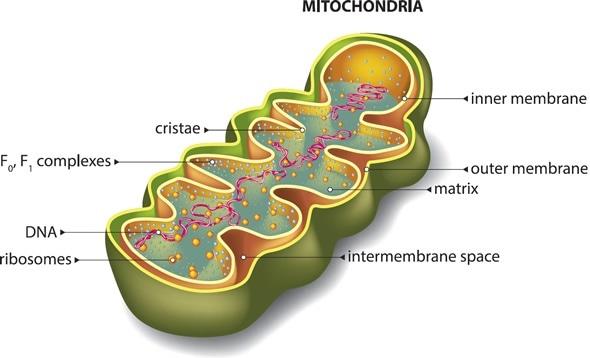
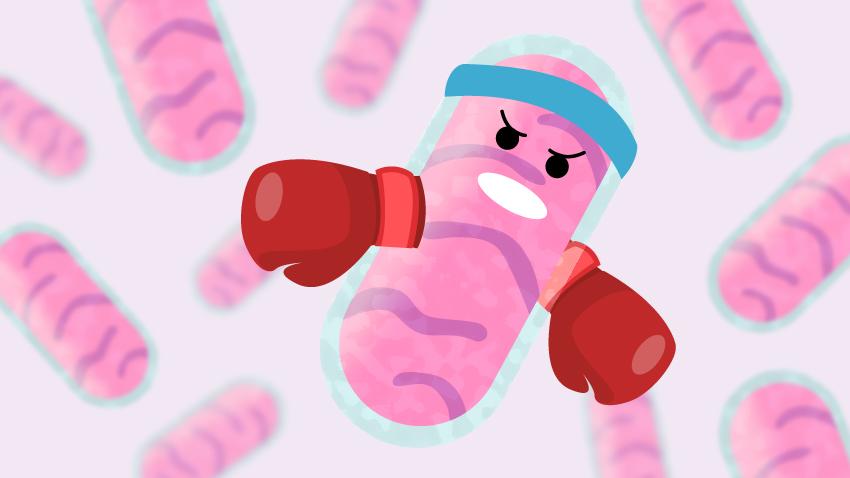
Mitochondria are membrane-bound cell organelles (mitochondrion, singular) that generate most of the chemical energy needed to power the cell's biochemical reactions. Chemical energy produced by the mitochondria is stored in a small molecule called adenosine triphosphate (ATP). Mitochondria contain their own small chromosomes. Generally, mitochondria, and therefore mitochondrial DNA, are inherited only from the mother.
Mitochondria are the power plants of our bodies, generating energy for everything from your brain to every cell in your body. How many you have determines how well and strong they work at any given moment, so it’s important not only that these little organelles stay healthy but also what is shaping up inside them!
Healthy cells have the number of mitochondria they need to keep the party going. For example, our brain is an electrical system, and it accounts for one-fifth of our body's total energy consumption!
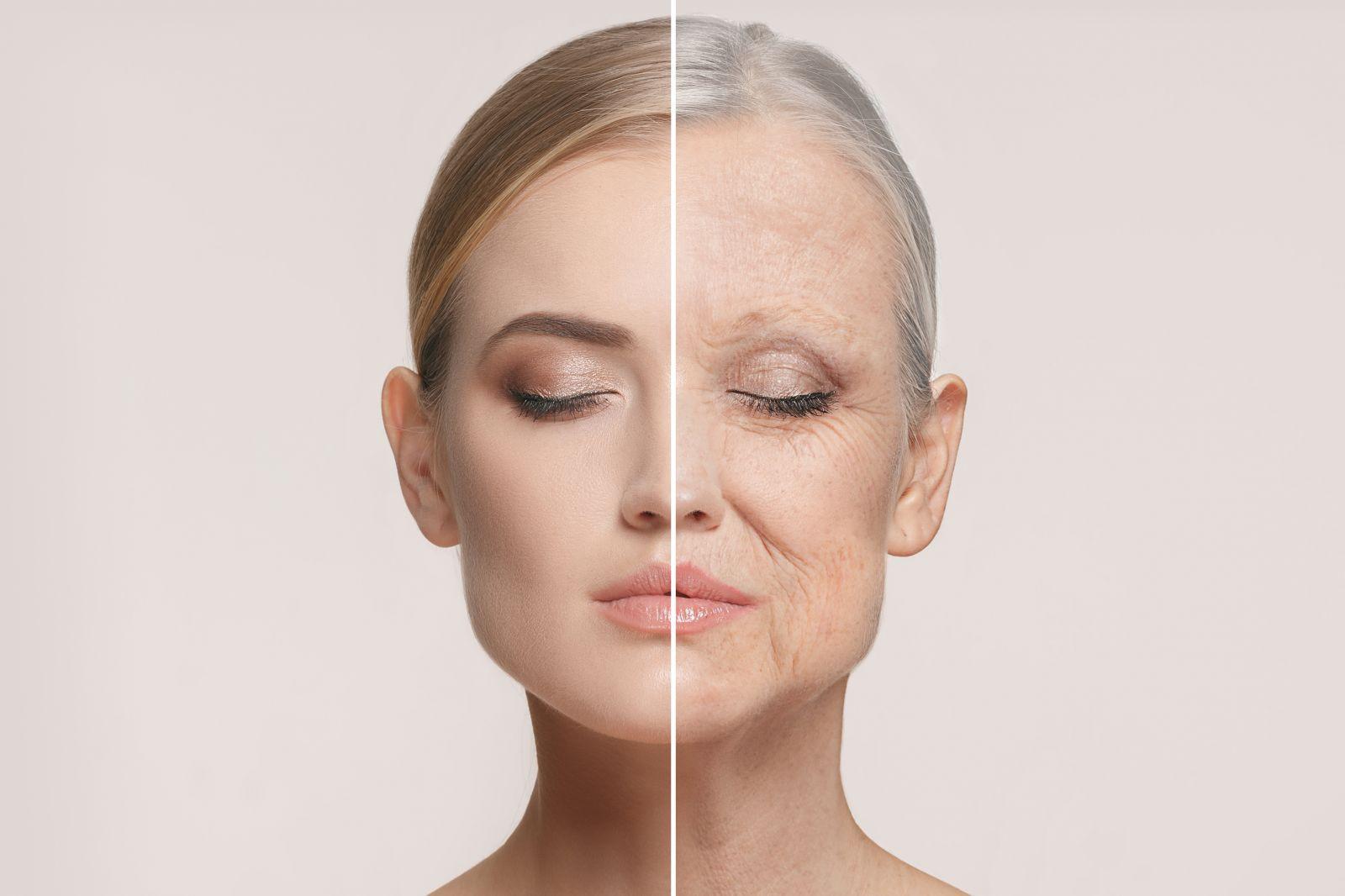
Free radicals are potentially dangerous molecules that can damage cells, which is why it's important to manage your stress levels. Mitochondria play an integral role in the production of free radicals because they're too susceptible, but there are some things we can do about this!
Mitochondrial dysfunction arises from an inadequate number of mitochondria, an inability to provide necessary substrates to mitochondria, or a dysfunction in their electron transport and ATP-synthesis machinery. The number and functional status of mitochondria in a cell can be changed by (1) fusion of partially dysfunctional mitochondria and mixing of their undamaged components to improve overall function, (2) the generation of entirely new mitochondria (fission), and (3) the removal and complete degradation of dysfunctional mitochondria (mitophagy) These events are controlled by complex cellular processes that sense the deterioration of mitochondria, such as the depolarization of mitochondrial membranes or the activation of certain transcription pathways.
Several researchers have reported a connection between mitochondrial dysfunction and autism (2,3,4). In addition, mitochondrial dysfunction in Down syndrome has been well-established (5). Many biomedical clinicians have already come to accept that mitochondrial dysfunction is something to look for and treat in children with autism and other special needs. As well, many parents are seeing notable improvements in their children's health and development when mitochondria dysfunction is detected and addressed.
Because so many organs and processes of the body are dependent on ATP and the mitochondria that make it, symptoms can be vague and impact many organ systems. These symptoms include:
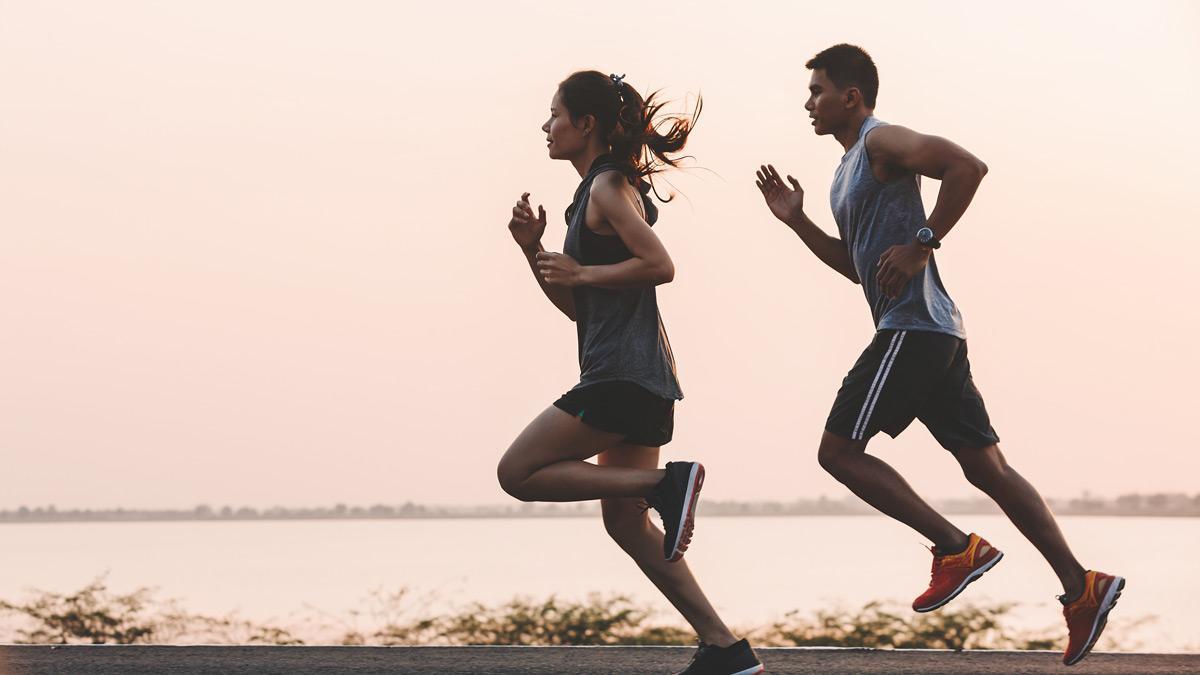
The mitochondria are the main areas of your muscle cells where fat, carbohydrate, and protein could be broken down with oxygen to produce the energy needed to work. The mitochondria are the main areas of your muscle cells where fat, carbohydrate, and protein could be broken down with oxygen to produce the energy needed to work.
They are not only vital in that aspect, but also in others as following:

One way that the skin renews itself is by differentiation and migration of new cells, but what causes this change? Mitochondria are one answer. Studies show increased levels of ROS may play a part in regulating which cell lineage will differentiate into certain types like embryonic stem cells.
For each powerful pedal stroke, you perform on a bike, you probably know that you’re engaging your calves, hamstrings, quads, and glutes. But what’s powering those muscles is mitochondria, and without their hard and efficient work, there’s no way you’d move forward.
Exercise creates a positive feedback loop for your mitochondria: Not only does it increase the number of mitochondria in your body, it increases the quality of those mitochondria, according to research published in the Journal of Applied Physiology. And the higher the quality of your mitochondria, the more efficiently they work, and the better you can perform. Here’s how to optimize that system.
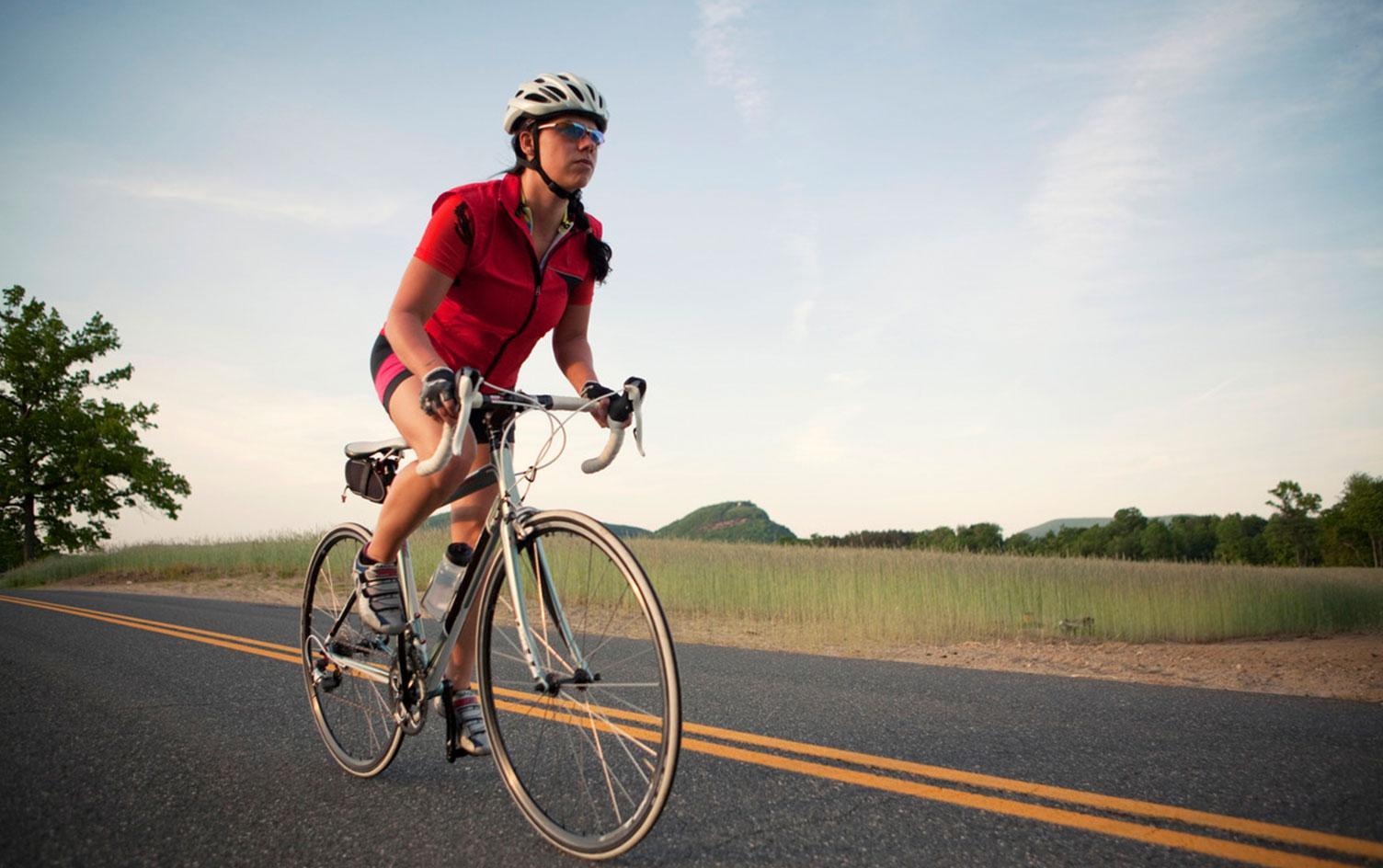
Endurance (or aerobic) exercise is what stimulates mitochondrial biogenesis, a process that increases the number of mitochondria in your cells, according to research published in the American Journal of Physiology—Endocrinology and Metabolism.
In fact, mitochondrial volume density (the percentage of muscle fiber volume occupied by mitochondria) can increase by up to around 40 percent in response to endurance training, according to research published in the journal Experimental Physiology. Remember: The more mitochondria you have, the more energy you can produce.
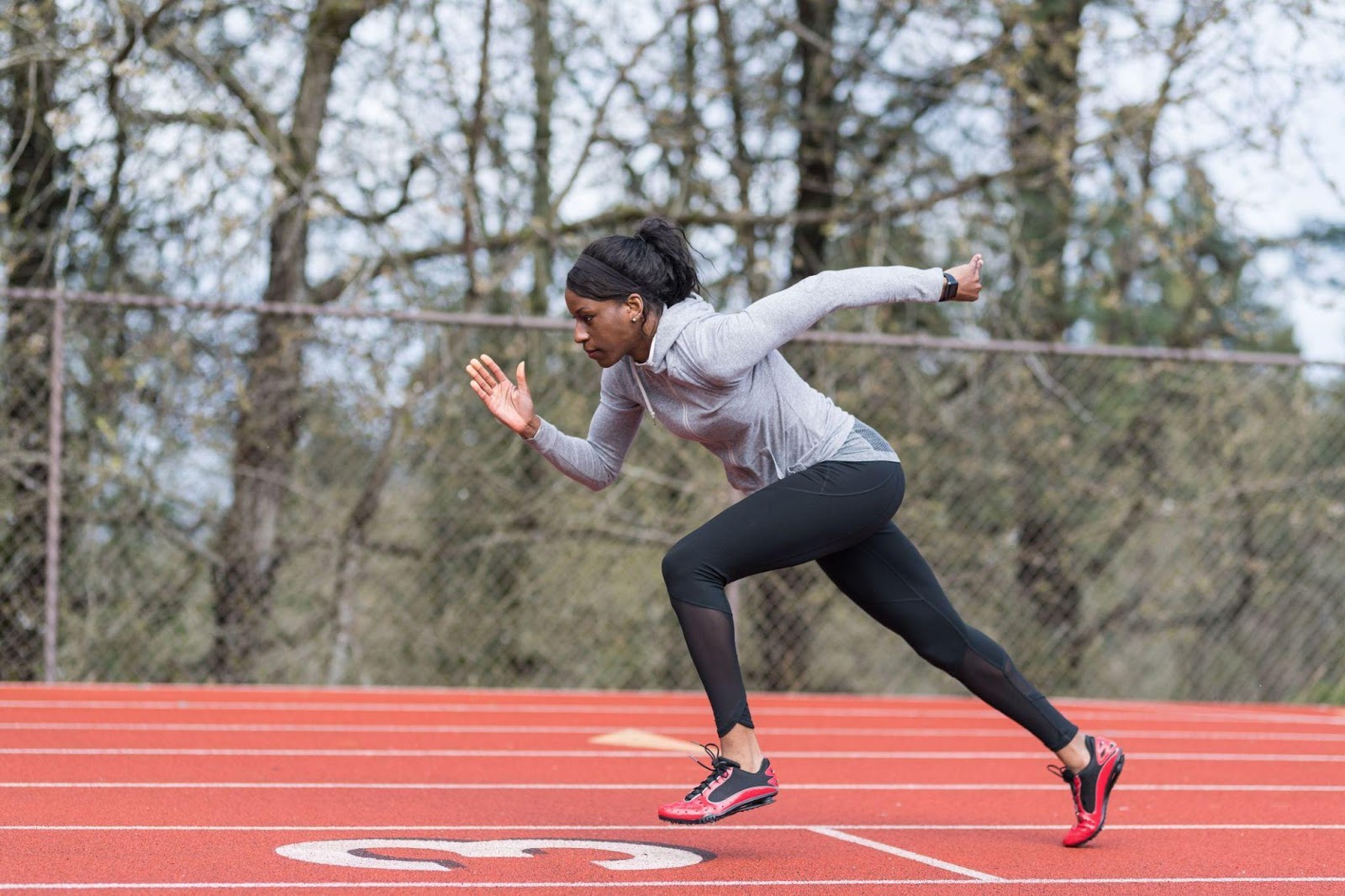
But you shouldn’t always ride at the same pace, says Dr. Singh. Adding speed workouts can make your mitochondria more efficient, which helps them work even better. Compared to moderate continuous intensity training and high-intensity interval training (HIIT), sprint interval training increased mitochondrial respiration (the oxygen-requiring metabolic reactions and processes that convert energy from foot to ATP), according to a 2019 study published in the journal Oxidative Medicine and Cellular Longevity.

While your mitochondria are busy generating energy, they’re also generating highly reactive molecules called oxidants (or reactive oxygen species AKA ROS), which can be damaging to your cells. The more efficiently your mitochondria work, though, the fewer oxidants they produce.
There are a number of micronutrients involved in mitochondrial function: B vitamins, ascorbic acid, α-tocopherol, selenium, zinc, coenzyme Q10, caffeine, melatonin, carnitine, nitrate, lipoic acid, and taurine. You should be able to get an adequate intake of these nutrients from a well-balanced diet. But if you don’t think you’re getting the nutrients you need to boost your mitochondria, a supplement may help.
Timeline Nutrition’s Mitopure Powder, for example, is a purified form of a metabolic compound called Urolithin A. Laboratory studies suggest Urolithin A might help activate a process called mitophagy, which cleans defective mitochondria after they have been damaged or subjected to stress.
“As we age, and as you exercise a lot, your mitochondria get burned out,” says Dr. Singh. “Mitophagy is the body’s way of cleaning the old, faulty mitochondria out so there’s room to generate newer, healthier mitochondria.”
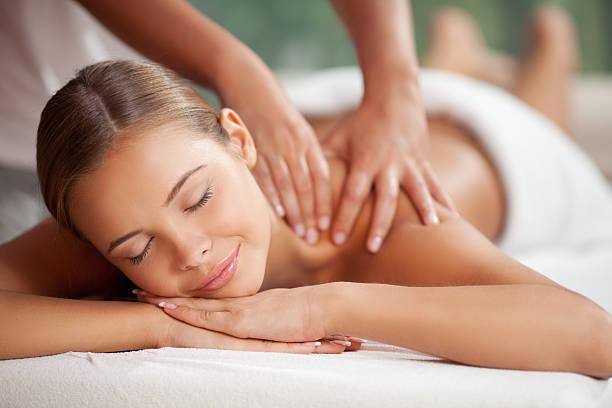
If you want to splurge on a massage, go for it—massage promotes the growth of new mitochondria in skeletal muscle according to a 2012 study from the journal Science Translational Medicine.
If you can’t consistently splurge on a massage, DIY the experience with foam rolling, which research also shows could also help boost your mitochondrial health. In a 2015 study on foam rolling in the Journal of Athletic Training, biochemical changes indicated that new mitochondria were being formed, potentially due to the constant pressure on the muscle.
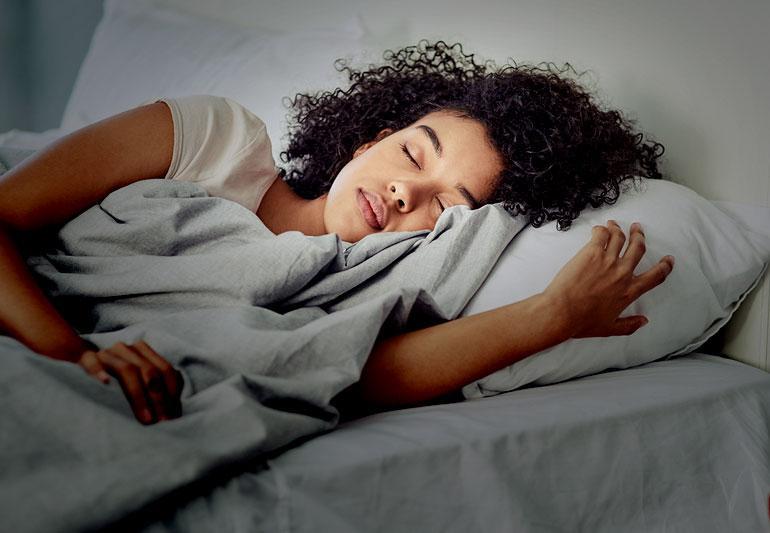
The way to make your cells more powerful is by sleeping well. When we don't get enough hours of restful sleep, it can cause a variety of disorders such as chronic fatigue and even brain fog which leads us into having less energy than usual while being unable to organize ourselves properly during the day due to lack of focus because our mind wasn’t fully awake until now! A good nights' shuteye provides an opportunity for houses cleansing themselves from all kinds of bad stuff including waste materials that would otherwise be accumulated within damaged tissues over time if left unchecked.
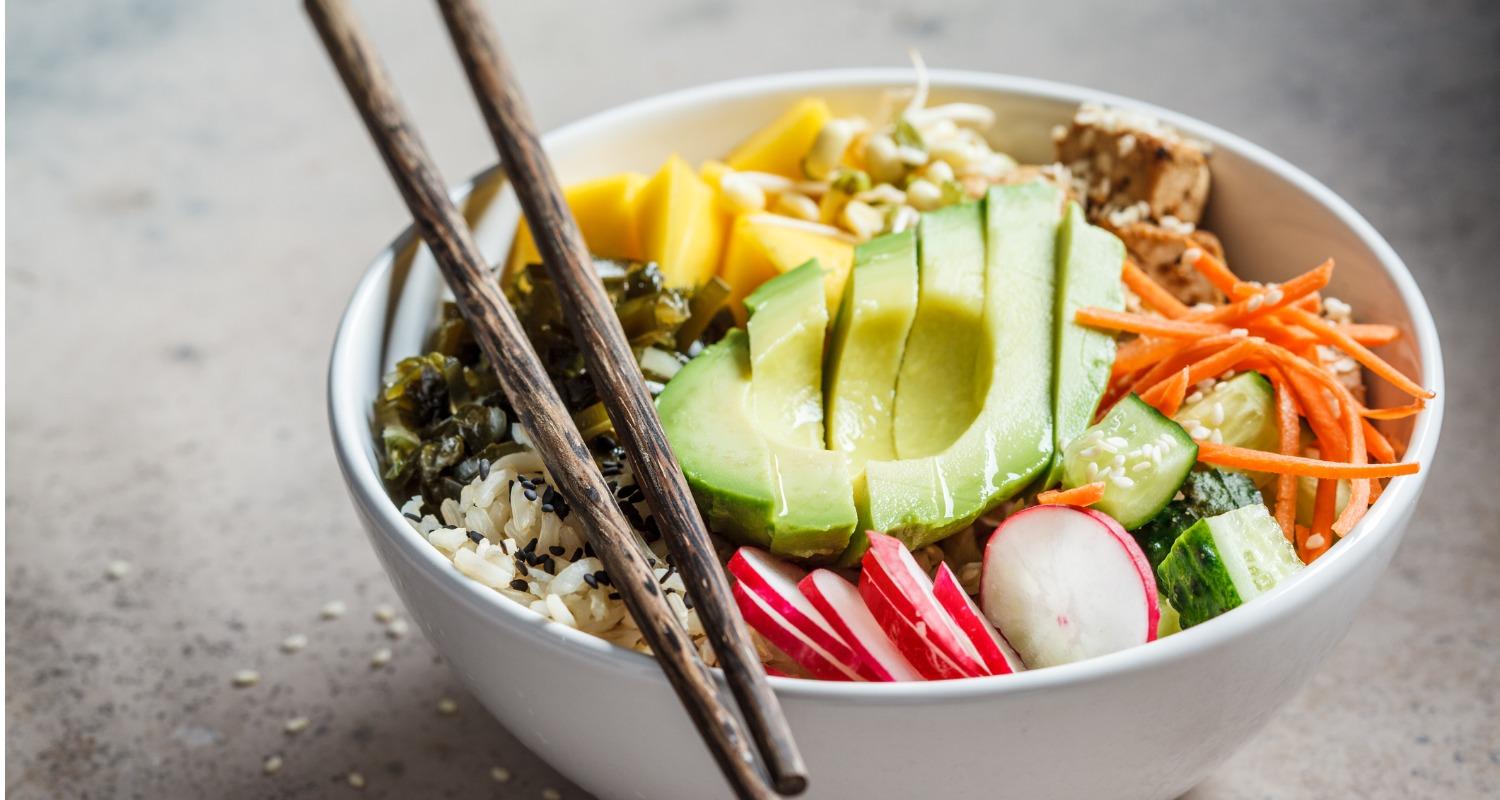
Inflammation and mitochondria don’t go well together. Mitochondria are extremely vulnerable to inflammation,[4] and you want to keep as many intact as you can. Ways to calm inflammation include:

Mitochondria love ketones, so if you give them what they want and allow your microscopic mitochondria to rule with an iron fist by eating at a high fat/low carb diet, it helps. High levels of fats can lead to higher levels of good cholesterol while also reducing bad cholesterol so it's very important for our health!
In order to get into this state as quickly as possible one must make sure that their body has plenty of fuel sources like carbs or proteins before adding any additional meals containing more than 20% ketones.
Wrap Up
Boosting Mitochondria involves either increasing the production of ATP or scavenging excess free radicals. Follow our eight ways for boosting your mitochondria, and you will be on your way to a healthier life. Check out our services and be a relaxed and healthier yourself.
More than 70 million adults in the United States deal with some type of chronic pain. And low back pain is by far the second most common reason Americans see their doctor!
Consequently, many are interested to find alternative ways for managing this discomfort including chiropractic treatment which can alleviate symptoms related specifically around your spine or neck area like headaches etcetera.
Chiropractic therapy has been around for over 100 years and is still today, one of the most effective treatment methods in medicine. It can help with a variety of issues such as back pain, neck pain, headaches, and even more serious conditions like scoliosis. If you are looking for a way to improve your health, reduce stress, and feel better in general, then chiropractic therapy may be the solution. This blog post will discuss how chiropractic therapy can benefit you!
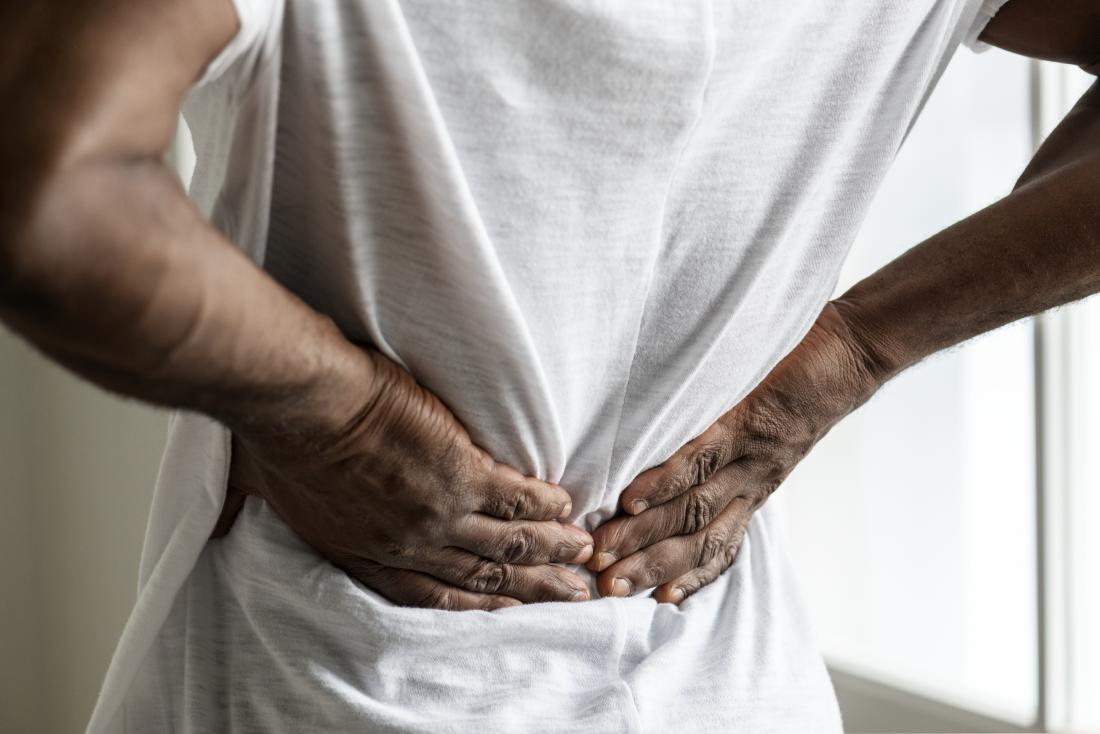
Table of Contents:
What is Chiropractic Therapy?
The word ‘chiropractic’ comes from the Greek words cheir (meaning ‘hand’) and praktikos (meaning ‘done’) – namely, done by hand. Chiropractors are primary contact practitioners (which means they can see patients without a referral from a GP). They focus on treating the spine by using their hands to examine and treat health conditions related to the bones, muscles, and joints (musculoskeletal problems).
Chiropractic Therapy is a form of alternative medicine concerned with the diagnosis, treatment, and prevention of mechanical disorders of the musculoskeletal system, especially of the spine. It has esoteric origins and is based on several pseudoscientific ideas.
In many cases, such as lower back pain, chiropractic care may be a person’s primary method of treatment. For some medical conditions, chiropractic services may complement or support medical treatment by relieving the musculoskeletal aspects associated with the condition.
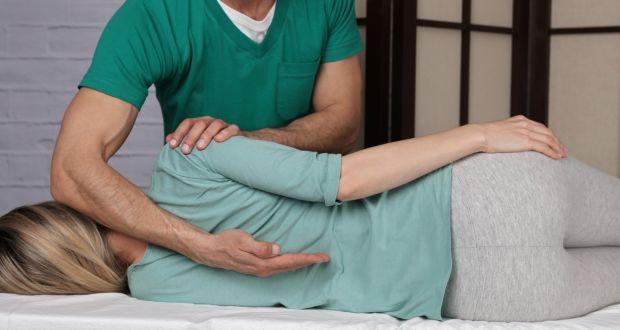
What is the importance of Chiropractic Therapy?
Chiropractic Therapy improves your mental health, neurological health, muscle strength, flexibility, and range of motion. It promotes recovery, improves immune response, provides you with more energy, and improves your mood. A chiropractor primes your body to function at its best.
Chiropractic Therapy involves many different aspects of the body but is centered around the spine. Our spine is an integral part of our musculoskeletal system, which is made up of the bones, muscles, and connective tissues that give our bodies form and movement. Running the length of our back, from our neck right down into our pelvis, the spine houses and protects our spinal cord which helps our nervous system to function properly. It does this by enabling the transmission of information to and from the brain from the various parts of our body. These messages are sent through neurons that pass along the spinal cord which acts as an information highway. If there are any issues with the bones of the spine, the intervertebral discs that cushion the bones or the surrounding tissues can affect the function of the central nervous system, preventing it from working properly. This results in a range of unpleasant and debilitating symptoms, including pain, numbness/loss of feeling, loss of bladder/bowel function, and even partial or total paralysis.
What are the benefits of Chiropractic Therapy?
Blood Pressure
A study published in the Human Journal of Hypertension showed that chiropractic treatment could give people suffering from high blood pressure the same effect as taking certain high blood pressure medications.
This study also showed that the effects of the adjustment would persist for 6 months after the adjustment.
High blood pressure medications can have negative side effects including:
If an adjustment can give a similar, if not the same, effect as these types of medications, it might be something to consider.
Adjustments have been shown to help patients suffering from low blood pressure as well.
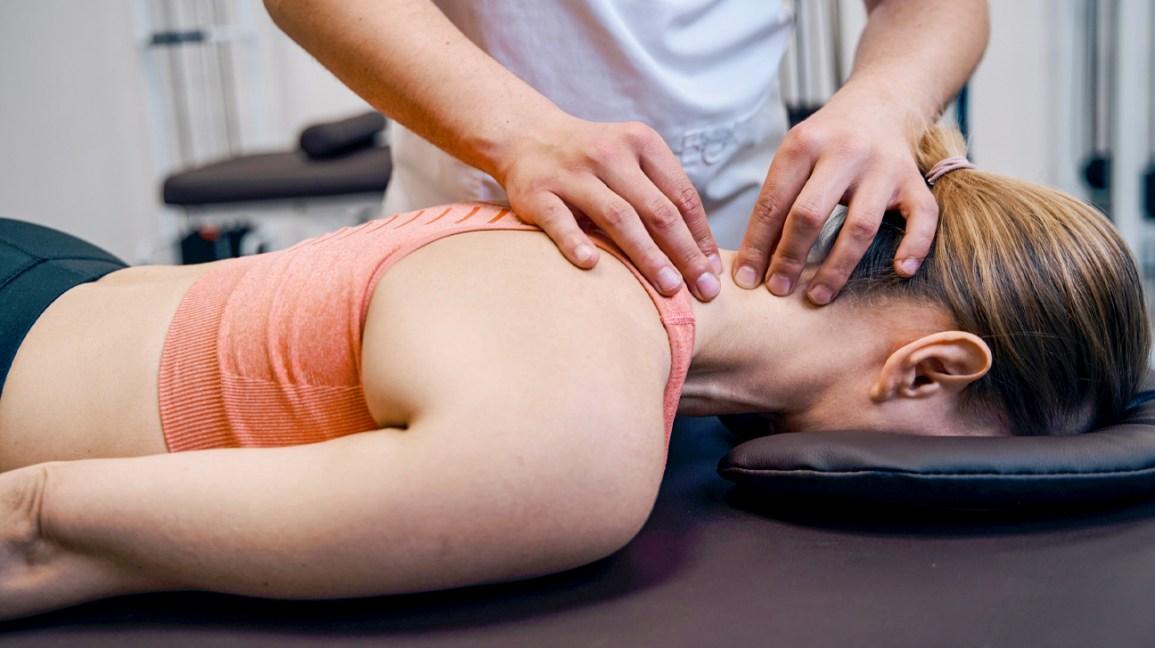
Eases Neck and Back Pain
This benefit is probably the most well-known when it comes to going to the chiropractor. 80% of all Americans experience some sort of lower back pain in their lifetime. Medications and surgeries are options for this type of pain, but those can be dangerous, expensive, and ineffective.
Chiropractic treatment is also cheaper than other methods of back pain management. You’ll be able to save yourself from both mild and chronic pain while also reducing your medical costs.
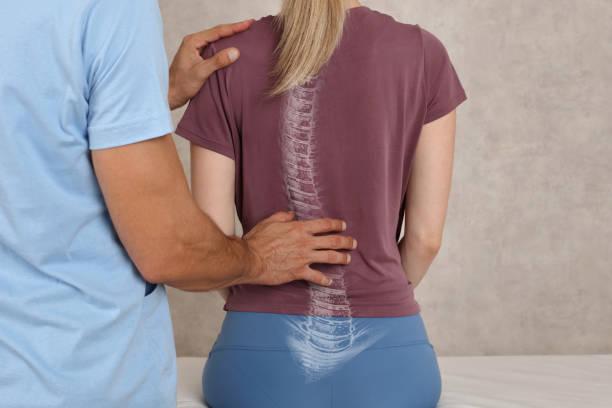
Treats Scoliosis
Scoliosis is a condition where there is an abnormal curvature of the spine. This can cause pain, abnormal posture, a reduction in your range of motion, and even trouble breathing.
Most scoliosis patients have few options for treatment. But a chiropractic adjustment has been shown to help treat scoliosis patients.
Chiropractic treatment combined with physical therapy could help treat and prevent the progression of scoliosis. The effectiveness of this treatment option varies from patient to patient, but it is a viable option.
Sciatica
Sciatica refers to pain that radiates from your lower back down your legs because of a damaged or pressured sciatic nerve.
This type of chronic pain can lead to over-medication. Chiropractic treatment can help relieve pressure on the sciatic nerve that is causing your sciatica. Studies show that patients receiving adjustments reduced the number of pain days they had. They also experienced a reduction in the severity of their pain.
Reduces Inflammation
Inflammation is one of the top causes of pain, joint issues, and tension. Chronic inflammation has been linked to a number of diseases like heart disease, chronic pain, and cancer.
Chiropractic adjustments have been shown to reduce inflammation, which can lead to a number of positive benefits, including:
Chronic lower back pain relief
Reduced muscle tension
Relief from joint pain
Reduced inflammation can also help reduce your risk of developing diseases that are linked to high inflammation.
Headache Relief
Both tension and migraine headaches can be caused by back pain and spinal issues. Back misalignment can cause muscle tension and pain which can result in both tension headaches as well as migraine headaches.
Besides back pain, headache is the top ailment that chiropractors treat. There are over 200 studies examining the benefits and effectiveness of chiropractic therapy for headache relief.
Improves Athletic Performance
Reduction of inflammation, pain and other similar conditions can help get the body in top shape. This is especially true for athletes who depend on their bodies to do their job.
Many sports teams and professional athletes hire chiropractors. Adjustments can reduce pain and tension caused by sports and activity. Alignments can also reduce inflammation and boost the immune system to help boost an athlete's performance.
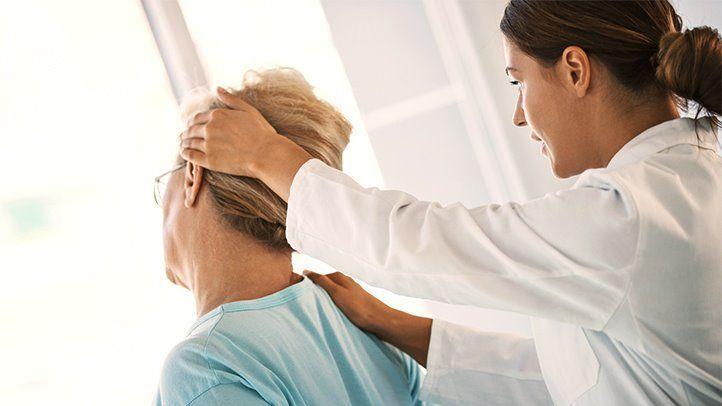
Treats Vertigo
Dizziness and vertigo can make it impossible to do everyday tasks or even get out of bed without feeling disoriented and nauseous. This is a common condition after experiencing a head or neck injury.
Chiropractic treatments can help target joints and vertebrae that aren’t moving correctly. This could help reduce vertigo episodes. An adjustment can also help fix your body’s natural balance, which can also cause vertigo if it’s misaligned.
Other Benefits:
When to Consider Chiropractic Treatment?
Painful joint and back problems can be caused by work, accidents, sports injuries, household chores, and even the stress of daily living.
Chiropractic therapy may help if you are experiencing aching joints or muscle pain that is affecting your ability to get through the day or preventing you from doing your favorite activities. It can also help maintain a healthy spine and joint function, even if you do not have painful symptoms.
People commonly visit a chiropractor for help with:
Conditions that can be treated by Chiropractic Treatment
Chiropractic treatment has been proven to be beneficial in treating a wide range of different illnesses and injuries. These include:
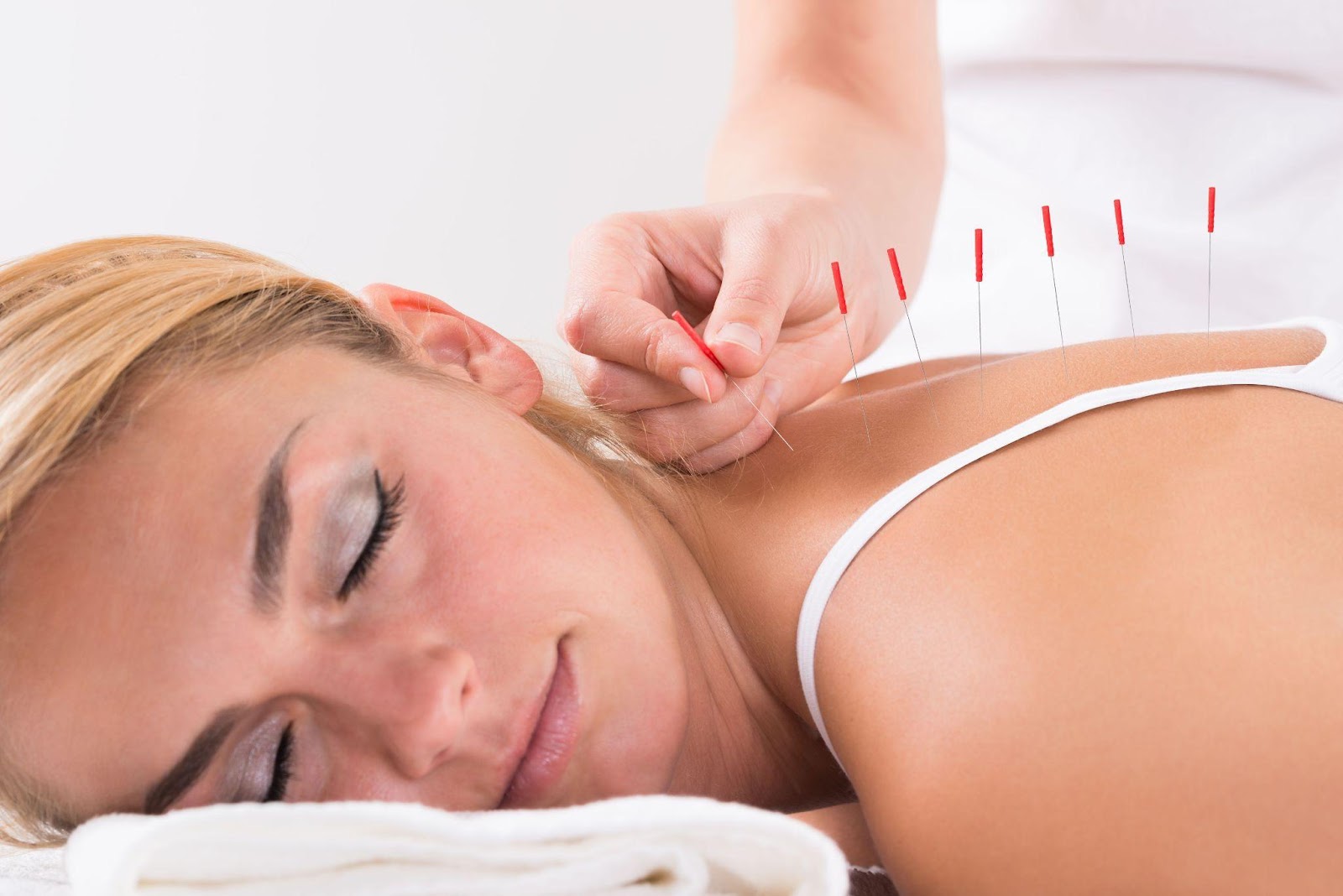
Chiropractic Treatments
Common chiropractic treatments include a range of different techniques, such as:
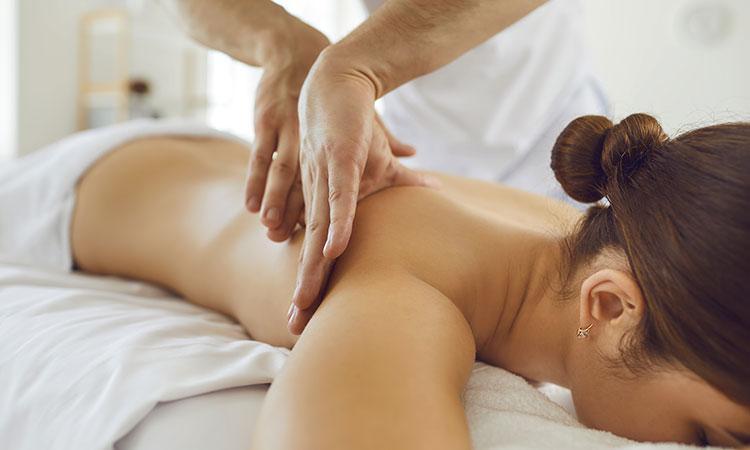
Wrap Up
You can have the best of both worlds with Chiropractic Therapy. It's an excellent way to get relief from your pain and discomfort, but more importantly, it will make you healthier because we're not just focusing on treating symptoms--we want people feeling better inside as well! If you are wondering if chiropractic care can help you, don’t hesitate to contact us and check out our amazing services and see its benefits from our previous blogs.
Many of us are stressed and our mental health is affected badly. But now you don't have to worry about your mental health anymore. We offer a variety of massage therapies that can be useful for treating anxiety and depression.
A pandemic like no other, has been taking a toll on people's lives over the past couple of years. This includes severe panic attacks as well as feelings of hopelessness due to problems caused by the pandemic, such as anxiety and depression. This only adds to the pressure one feels on top of their daily life tasks! Luckily there is help available. Our professional staff will focus solely on providing with different types of relaxation sessions.
Anxiety and depression are common mental health issues that affect many people. If you suffer from either of these conditions, it can be difficult to enjoy your life. Fortunately, massage therapy is a great way to manage both! Massage Therapy for Anxiety and Depression will teach you how massage can help with anxiety and depression symptoms so that you can get back on the right track. Read along to find out.
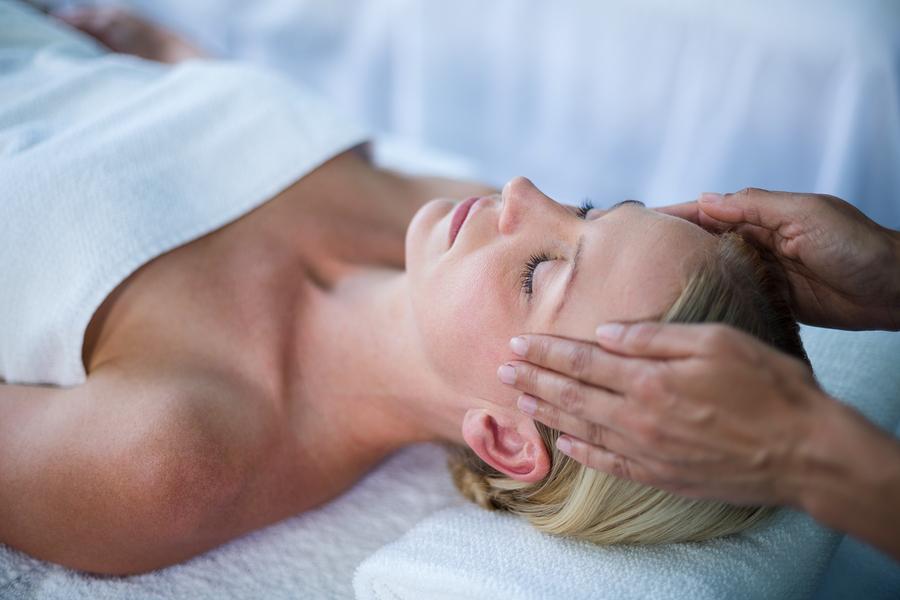
Table of Contents:
What is Massage Therapy?
What is the Importance of Massage Therapy for Mental Health?
How can Massage Therapy relieve anxiety and depression?
What are the Types of Massage Therapy to relieve anxiety and depression?
What are the other benefits of Massage Therapy for Mental and Physical Health?
What is Massage Therapy?
Massage therapy is the scientific manipulation of the soft tissues of the body, consisting primarily of manual (hands-on) techniques such as applying fixed or movable pressure, holding, and moving muscles and body tissues.
During massage therapy, a therapist will manipulate your muscles and other soft tissues to enhance their function, promote relaxation, or both.
Massage therapy has been used in China for more than 3,000 years. Some practitioners believe it can help ease feelings of depression. They suggest that touch releases hormones in your body that create a sense of emotional connection. Massage may help calm your mind and improve your mood, as well as ease physical aches and pains.
While more research is needed, scientists have found evidence to support the idea that massage therapy can provide mental health benefits. According to the National Center for Complementary and Integrative Health Trusted Source
Clinical trials suggest that massage therapy may help relieve depression. It may also be a helpful addition to your overall treatment plan.
What is the Importance of Massage Therapy for Mental Health?
Massage therapy has been known to lower stress, decrease anxiety, and reduce irritability. Along with increasing brain serotonin and dopamine, the combination of these effects leads to a happier individual.

But how can Massage Therapy relieve anxiety and depression?
When your muscles and connective tissues become stiff or rigid, it can cause pain and limit your movement. Massage therapy can help relieve this tension in your muscles and connective tissues. It also increases your blood flow and promotes relaxation.
If you have depression, massage therapy probably won’t cure your condition, but it may help relieve the physical symptoms associated with it. For example, massage may help alleviate sluggishness, back pain, joint pain, and muscle aches. It can also help relieve fatigue and sleeping problems.
What are the Types of Massage Therapy to relieve anxiety and depression?
During massage therapy, your therapist will rub, stretch, and apply pressure to muscles in your body. Some styles of massage involve over-the-clothes touching. Others involve direct contact with your skin, often with scented oils. Some involve acupuncture needles, warm stones, or complex twisting poses.
Here are some common types of massage used in the United States:

What are the other benefits of Massage Therapy for Mental and Physical Health?
The benefits of massage therapy are numerous and diverse, but one way it can make you feel better is by improving your mental health. Participate in this formative process with an expert who understands what they're doing!
Let’s take a look at some of the practical mental health benefits that come from participating in massage therapy.
1. Improve your relaxation skills:
When people become relaxed, their heart rate, blood pressure, oxygen consumption, and salivary cortisol levels decrease. This helps reduce stress and anxiety, which are the two leading causes of depression.
Great news! You don’t even need to schedule an hour-long Swedish massage to reap the short-term benefits of a quick massage. Studies have shown that physiological and psychological changes occurred even after 10-15-minute-long chair massages. No matter how busy your schedule is, you can easily make time for a short chair massage. For even more significant benefits, try combining massage therapy with aromatherapy.
2. Rest more efficiently:
Massages aren’t only useful for in-the-moment relaxation. Massages have been shown to improve sleep patterns in all types of people including children, adolescents and adults that suffer from insomnia, cerebral palsy, fibromyalgia, migraines, and more.
Research has demonstrated that those who have received a 30-minute massage twice a week for five weeks reported a significant decrease in pain, which led to fewer sleep disturbances.
Tip: If professional massages aren’t financially doable, recruiting your partner as your massage therapist can help! Even a light 3-minute massage before going to bed can make a difference.
3. Alleviate the symptoms of chronic illnesses and diseases:
People suffering from chronic illnesses and diseases also experience higher stress levels. Elevated stress can worsen the chronic condition which, in turn, can lead to even more stress, all creating a vicious cycle. While massage therapy hasn’t been proven to cure any disease, it has been found to improve the quality of life for many individuals.
For example, children with cancer who have regular massages were found to have reduced side effects from their cancer treatment such as reduced pain, anxiety, and depression. This has the added benefit of placing the child in a better psychological and physiological state to battle their illness.
4. Increase your overall happiness:
Massage therapy has been known to lower stress, decrease anxiety, and reduce irritability. Along with increasing brain serotonin and dopamine, the combination of these effects leads to a happier individual. Being a happier person can have an infinite number of effects on their personal life and the lives of those around them.
While scheduling regular messages isn’t financially plausible for everyone, it should be carefully considered for people looking for a holistic way of improving their mental health.
5. Neurotransmitter and Hormone Balance
Researchers have shown massage therapy activates neurotransmitters that can decrease anxiety and lower stress hormone levels. At the University of Miami School of Medicine, researchers found massage therapy had positive effects on people who were experiencing a range of mental health issues, including depression, eating disorders, and stress. The research team found about a 30% increase in serotonin and dopamine levels, in participants who underwent massage, as well as a reduction in the stress hormone cortisol. These findings suggest massage was responsible for an increase in feel-good neurotransmitters and a decrease in stress.
6. Blood Pressure and Circulatory Issues
A massage therapist can help lower your heart rate as well as your systolic (pumping) and diastolic (resting) high blood pressure.
At Iran’s Isfahan University of Medical Sciences, a researcher compared two groups of 25 women. One group received 10-15 minutes of Swedish massage three times a week for a total of 10 sessions; the women in the other group relaxed in the same environment but did not receive massages. The researchers found massage caused a reduction in systolic and diastolic blood pressure that persisted for as many as three days after treatment.
7. Alleviating Symptoms of Illness or Disease
People with life-threatening illnesses or diseases often experience anxiety and depression that can exacerbate their condition. Massage therapy can greatly increase the quality of life, freeing up mental and physiological resources to fight off disease. Many physicians recommend massage as a complementary therapy to medical care for its healing power and low incidence of side effects.
At the Columbia University Medical Center, experts studied children with cancer and found massage therapy helped manage many side effects of cancer treatment, including pain, anxiety, depression, high blood pressure, and reduced immune function.
Wrap Up
You deserve to be taken care of. If you feel that therapeutic massage is right for your needs, don't hesitate to book an appointment with us today!
Looking your best is just as important for making a good first impression as is taking care of yourself. Not only will a Facial Massage help you feel better on the inside, but also outside! A facial massage can benefit people's skin in many ways, from decreasing signs of aging or wrinkles for smoother-looking skin to increasing collagen production which results in more youthful-looking features like glowing complexion and thinning hairline (since this helps keep wrinkles at bay) to boosting self-esteem because we all want to look our best.
We know what our clients need when they walk into a room where there are other humans around them. We want you to feel that we care for your needs and wants, and make you look younger.
Facial massage and facial steaming are two of the most popular beauty treatments. They both offer numerous benefits to your skin, and also have many other uses, including reducing stress levels. We will discuss some of these benefits in this blog post. Read along to know more!
Table of Contents:
What is Facial Massage?
Facial massages are treatments you can do with a practitioner or on your own. The technique involves stimulating pressure points on the face, neck, and shoulders.
You can use lotions, oils, or cleansing balms with facial massages, as well as a face roller or a flat Gua Sha tool.
Facial massage helps promote healthy skin while relaxing your facial muscles. It has a relaxing and rejuvenating effect, helping you look and feel better.
Whether you want to use facial massage purely for relaxation or to treat a specific condition, there are plenty of techniques to try.
What is the Importance of Facial Massage?
A facial massage is a great way to stimulate circulation and relax. It can lead you into firmer, more radiant skin by minimizing fine lines and wrinkles while moisturizing your face with essential oils that are natural healers against acne scars or other blemishes on the body's appearance!
What are the types of Facial Massage?
What are the Facial Massage techniques?
Depending on the condition of your skin, your age, skincare goals, and budget, regular facial treatments, that incorporate some form of muscle stimulation through massage, work in combination with daily skincare to improve the overall appearance of your skin: anywhere from once a month (for normal to dry skin) to every two weeks (for combination or acne-prone skin) is recommended. The Spa’s Anti-Aging Peel facial treatment uses a combination of exfoliation with palm and crystal massage to stimulate blood flow and leave a youthful, glowing complexion.
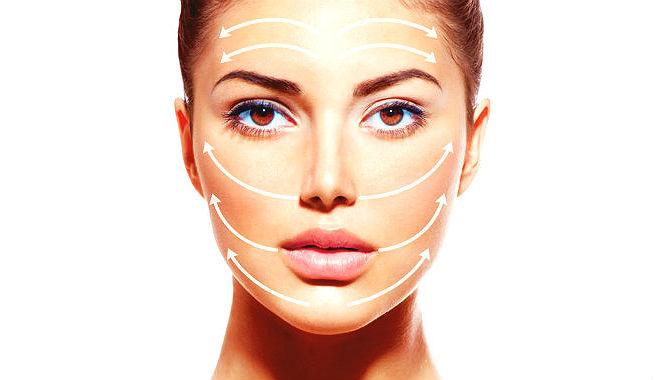
Proven Benefits of Facial Massage:
1. Anti-aging and wrinkles
One of the main benefits of facial massage is its ability to improve the overall appearance of the skin.
A small 2017 study (trusted Source), examined the effectiveness of facial massage that included a stimulating massage device. Participants used an anti-aging device and cream on their face and neck for 8 weeks. The effects of the cream were enhanced when used with the facial massage. Improvements were seen in wrinkles, skin sagging, and texture.
Researchers also looked at the effects of facial massage on ex vivo skin explants, or samples. For 10 days, the skin samples were massaged using an anti-aging device twice a day for 1 minute. Compared with untreated skin explants, the device caused higher rates of expression in dermal proteins, which had an anti-aging effect on the skin.
2. Relieves Sinus Pressure
As long as it’s not an infectious case or during an acute stage of sinusitis, you can use massage to relieve sinus pressure, discomfort, and congestion.
Sinus massage may also help promote the drainage of mucus, alleviate headaches, and boost circulation. More in-depth scientific studies are needed to confirm and expand on the effects of sinus pressure massage.
3. Acne Reduction
Stimulating the skin through massage may help promote blood circulation and reduce the appearance of acne. Specific research that provides evidence of facial massage in improving acne is limited.
Some people swear by olive oil massage to treat acne. Results vary, so if it’s something you’re interested in trying, test it out on a small area before massaging your entire face.
Don’t be too aggressive in your approach. Avoid any harsh motions or exfoliants, especially in sensitive areas.
4. Treats TMJ
People who have temporomandibular joint (TMJ) conditions may experience discomfort in the jaw or face. This can include headache, earache, or lockjaw.
Trigger point massage may help alleviate tight, inflamed, or painful jaw muscles. This discomfort may be due to chewing, jaw clenching, or teeth grinding.
Massage to relieve symptoms of TMJ may be especially effective when combined with jaw exercises.
5. Glowing Skin
Facial massage may be just the ticket if you want bright, glowing skin. Research from 2002 found that 59 percent of women who had a facial massage, reported a feeling of freshness and rejuvenation.
About 54 percent reported supple skin, while 50 percent experienced skin tightening. Plenty of anecdotal evidence suggests that stimulating your facial muscles can help tighten skin, relieve tight muscles, and boost circulation.
6.Promotes better blood flow
Using a facial massage roller has a positive effect on skin blood flow, which may help improve the appearance of the skin.
According to a small 2018 study, people who had a 5-minute facial with a massage roller had increased blood flow to the area for at least 10 minutes after the massage. After 5 weeks of massage, blood flow response to heat was significantly improved.
7. Facial Rejuvenation
Facial massages can help relieve tension while enhancing relaxation and skin health.
Research from 2018 points to the effectiveness of facial massage with a Pao device, encouraging facial rejuvenation. The facial massage exercise device was shown to boost facial muscle thickness and cross-sectional area in women who used the device for 30 seconds, twice a day for 8 weeks.
8. Manage Scar Tissue
If you have a facial scar that’s in the healing process, massage can be greatly beneficial. Massaging the scar tissue and surrounding areas may help increase blood flow, loosen up nearby tissues, and flatten bumps.
Facial massage may also help relieve symptoms such as pain, itchiness, and tenderness. Researchers in 2014 found that massage therapy was effective in reducing pain and itchy skin while improving the appearance of raised scars from burns.
How to do it at Home:
You can give yourself a facial massage in the comfort of your home. Before beginning, clean your face and hands. Use a small amount of serum, oil, or cleansing balm so your fingers glide and rollover your skin easily. You can also use the surface of your palm.
Whether you have 5 minutes or an entire hour, you can put together your favorite elements to create an individualized facial massage routine. Repeat each stroke five times or focus on a specific area for 20 to 30 seconds. Use gentle but firm pressure.
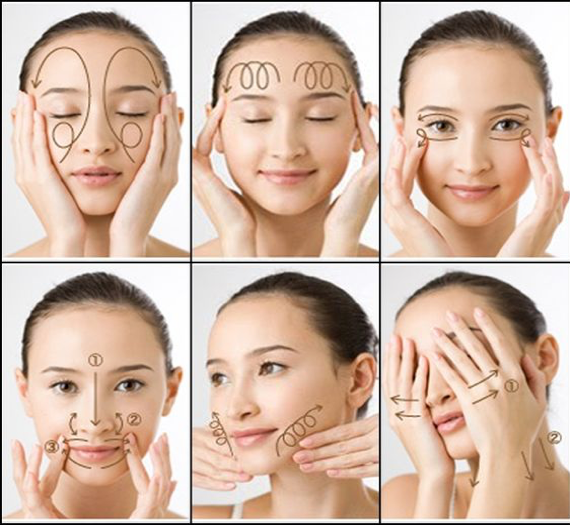
There are several techniques you can use. Below are a few you can use to create your routine:
Now you know everything about Facial Massage, Let's talk about Facial steaming.
We encountered people asking, is steaming your face good for my skin? And our answer is Yes!
Here are the wonderful benefits of Facial Steaming:
Wrap Up
Our passion is nurturing your skin with the best of care. We know that you want to feel pampered, relaxed, and rejuvenated after a long day at work or school, so we make sure our clients get more than just massaging hands; you'll receive an excellent facial treatment including facial steaming for relaxation! Did you also realize during these sessions we provide mini massages to your arms and legs? That might be another reason why people keep coming back, because not only do facials leave them looking younger but also makes them feel brand new. Check out our services and contact us today!
Do you know what Lymphatic Drainage Massage is? And when should you get one? It's not just about relieving stress - this could be just what you need.
Understand what Lymphedema is…
The lymphatic system is a network of channels that carry lymph, a clear fluid containing immune cells to fight infection and other diseases. The two main functions of the lymphatic system are: to help eliminate toxic wastes from your body and to provide immunity by fighting pathogens. The Lymphatic System is one of the most misunderstood and undervalued systems in the human body. The lymphatic system is an important part of the immune system as it helps to filter out disease-causing agents and other toxins from the blood. Understanding this process can help us appreciate why we should get a lymphatic drainage massage. The definition of a lymphatic drainage massage is "a technique used to improve circulation and reduce swelling by improving the flow of lymphatic fluid."
Understanding how this system works and what it does for us can help us take better care of ourselves, which will result in us feeling healthier and happier. Read on to learn more about this important system of our body!
What is Lymphatic Drainage Massage?
Lymphatic drainage massage is a treatment that helps improve the flow of lymph fluid from your limbs back to your heart. Lymph fluid is collected in nodes and channels before traveling up to your heart, but sometimes this process can become sluggish or disrupted. The swelling is caused by lymph fluid that's collected in the soft tissues, due to genetic disorders, injury, infection, cancer treatment, or surgery. Some symptoms include pain, skin discoloration, tissue swelling, heaviness in the limbs, weakness, hardening or thickening of the skin, and recurring infections.
Lymphatic drainage massage has been shown to help reduce swelling and discomfort as well as increase the functioning of your immune system. It also helps remove excess fluid that may be contributing to lymphedema and other swellings. Lymph nodes are part of the lymphatic system, which is responsible for moving fluids from cells and tissues back into your bloodstream. Lymph nodes also help your body fight disease by producing white blood cells.

Benefits
Lymphatic drainage massage therapy is a form of bodywork that can be used to help your body maintain its natural fluid balance. It is a type of bodywork that helps to improve the function of your lymph system. Lymph fluid moves through the lymph nodes and eventually into larger vessels, which take it back to your heart. Lymph fluid contains white blood cells, so when your lymph nodes are working well, they can fight off infections in other parts of your body.
Lymphatic fluids are the bodily substances that carry infection-fighting antibodies, nutrients, and other important things from one part of the body to another. Lymphatic fluid is produced in tissues throughout the body and then travels through a network of vessels called lymphatics before being returned to the bloodstream. Lymphatic drainage massage helps stimulate this process by stimulating gentle, rhythmic movements in these vessels so they will drain properly. Some benefits you might experience after receiving a lymphatic drainage session are, it improves immune system function, decreases the feeling of fatigue, and increases the sense of well-being.
Types
These four types of lymphatic drainage massage are commonly used by massage therapists, physical therapists, and doctors.
Before getting a lymphatic drainage massage, the massage therapist will follow a particular sequence, using a series of massage techniques, including stretching, compressing, gliding, and cupping motions. Through this procedure, we can make sure you're receiving treatment from a trained professional.

When do I get one?
Lymphatic drainage massage is a type of bodywork that's becoming more and more popular in many different countries. LDM helps to reduce pain, increase mobility, and improve the quality of life for anyone who has experienced trauma or surgery. LDM can help with chronic conditions like rheumatoid arthritis, fibromyalgia, and lymphoma. LDM can also be used as an adjunct therapy for cancer patients undergoing chemotherapy treatment.
Lymphatic Drainage Massage’s are also great because they help reduce pain caused by inflammation due to arthritis, injury, or surgery.
How to perform a lymphatic massage
People can receive lymphatic massages from trained professionals, or they can learn basic drainage techniques to use at home. However, it is best to speak to a doctor before either trying this at home or going to a professional.
People can perform most of these exercises either standing, sitting, or lying down, as long as they are comfortable.
Keep the following tips in mind during a lymphatic massage:

How to prepare
The following methods will stimulate the lymphatic system and prepare the lymph nodes to bring in more fluid before a lymphatic massage.
1. Lymphatic breathing
Deep breathing acts like a pump that helps move fluid through the vessels and lymph nodes. Follow the steps below:
2. Prepare the front of the neck
Place the index and middle fingers of each hand on either side of the neck, slightly above the collarbone.
Stretch the skin by gently sliding the fingers inward toward the middle of the collarbone.
3. Prepare the side of the neck
Place the palm of each hand on either side of the neck below the ears.
Slowly move both hands down and back.
4. Prepare the back of the neck
Place the palms of the hands on the back of the neck near the hairline.
Gently slide the hands together down the neck toward the spine.
5. Prepare under the arms
Prepare the lymph nodes under the arms to help them accept lymph fluid from other areas of the body. Do not perform this movement on areas that doctors have treated for cancer. Follow these steps:
Cup the palm under the armpit.
Gently pump the palm upward and toward the body.
Repeat on the other arm.
6. Prepare behind the knees:
Place both hands behind the knee, so the fingers point toward each other.
Pump the back of the knee by gently pressing the hands into the back of the knee and rolling them upward.
Repeat on the other knee.
Upper body massage techniques
Use the following techniques to help drain lymph fluid from the chest, shoulder, and upper arm.
To massage the chest:
Place the palm flat on the opposite side of the chest, slightly above the breast.
Move the hand up the chest and over the collarbone.
Continue up the neck until the skin covering the chest feels tight, then release.
To massage the shoulder:
Rest the arm on a table or armrest.
Place the other hand on the shoulder of the resting arm.
Move the hand over the back of the shoulder and toward the neck.
To massage the upper arm:
Rest the arm on a table or armrest.
Place the middle two fingers of the other hand on the inside of the upper arm below the shoulder.
Gently slide the fingers toward the outside of the upper arm.
Wrap the hand around the outside of the upper arm.
Gently move the hand back toward the inside of the arm.
To massage the full-arm:
Begin at the shoulder.
Use the palm to stretch the skin upward.
Move the hand down to the upper arm and stretch the skin up toward the shoulder.
Continue down the arm always moving the skin upward.
Stop at the wrist.
To massage the fingers:
Start at the base of the swollen finger close to the palm.
Use the index finger and thumb to stretch the skin on the finger toward the hand.
Continue this motion over the entire finger.
Remember to direct fluid toward the hand.
Lastly, let us understand if there are any risk factors around Lymphatic drainage massage:
Generally speaking, lymphatic drainage massage is a safe treatment to relieve lymphedema. There are some conditions and circumstances where lymphatic drainage massage is not recommended:
It is best to consult your healthcare provider if you’re concerned your physical health might be affected by a lymphatic drainage massage.
Some of us experience leg pain, and I bet you don't want to just sit around while that aching feeling lingers. We have some pretty creative ways of coping with the daily aches and believe it or not, there is one for YOU!
The older we get, the more important it is to pay attention to our bodies. It’s vital that we give our bodies the utmost care they deserve, and that includes our legs. Enter compression!!
Pain in the legs is a common problem for many people. The pain can be caused by injuries, inflammation, or poor circulation of blood to the area. Compression therapy has been shown to provide relief from leg pain by massaging it away with deep pressure and improving circulation through compression boots. This blog post discusses how compression therapy helps you get rid of leg pain and some great benefits that come along with it!
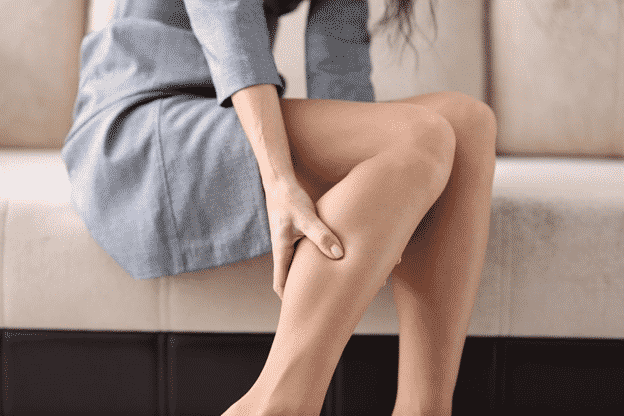
Table of Contents:
What is Compression Therapy?
Compression is an effective method by which controlled pressure is applied to the extremities in order to increase blood flow and the efficiency of the lymphatic and venous systems. Traditionally, compression used socks or stockings, but we use compression boots to offer dynamic compression that improves circulation.
What is the Importance of Compression Therapy?
At its most basic, compressing the muscles helps blood flow through the body more efficiently. Compression prevents blood from pooling in the body. Most people realize that compression garments are often used to reduce or prevent swelling, but there are many other uses for compression, especially eases the leg pain

Now let's get started with the amazing benefits of Using Compressing Boots
Better Blood Flow
When you are sitting or standing, the veins in your legs must fight gravity to move blood back to your heart. Compression therapy gently squeezes the leg, which helps blood flow faster and keep moving in the right direction.
Prevention and Treatment of Varicose Veins
In order to push blood back up toward the heart, the veins in your legs have valves that only allow blood to move in one direction. Sometimes these valves wear out and let the blood pool in the veins. This can lead to varicose veins, swollen and twisted veins that can cause pain and a heavy, achy feeling in your legs.
Compression boots can help reduce the discomfort and swelling that varicose vein causes. After varicose vein treatment, compression therapy may help prevent you from getting new varicose veins.
Less Swelling
Pressure from compression boots can keep fluids from leaking out of small blood vessels in your legs. It can help prevent swelling caused by sitting or standing still for long periods of time. For example, some people wear them on long airplane flights or if they stand on their feet a lot at work.
Compression therapy can also help treat swelling. When there is extra fluid in your legs, compression helps your body absorb it.
Swelling in your feet and ankles is also a common side effect of pregnancy. If you are pregnant, check with your doctor about wearing compression tights to reduce swelling and leg discomfort.
Less Dizziness and Nausea
Orthostatic hypotension is when your blood pressure drops when you stand up. It can make you feel dizzy (like the room is spinning), lightheaded (like you might faint), or nauseous (like you might throw up).
If you have this problem a lot, your doctor might recommend a thigh-high or waist-high compression hose. Compression therapy can keep blood from pooling in your legs, which is what causes orthostatic hypotension.
One study even found that pregnant women had less morning sickness and dizziness when they wore compression boots.
Reduces Appearance of Veins
Scientists have found that patients can dramatically reduce the appearance of visible veins by regularly using compression therapies. Since these veins are caused when pressure builds in the veins, causing them to twist and become engorged, compression reduces the built-up pressure and helps blood flow more smoothly.
Helps Prevent and Reduce the Appearance of Cellulite
Cellulite is the bane of many women. Scientists are still trying to determine its causes, but there are some indications that blood circulation plays an important role. A few recent studies have shown that compression therapy can be used to effectively reduce and prevent cellulite from appearing.
Relieves Pain
Compression often relieves pain. When garments or technology compress the muscles, it forces the blood back towards your heart. This makes your muscles feel lighter and also relieves discomfort.
Keeps Muscles Warm and Increases Flexibility
Compression keeps muscles warm, which is a bonus for athletes. When your muscles are warm, they become more flexible and have a wider range of motion.
Quicker Recovery
By compressing the veins, blood moves faster through your system. Lactic acids and other wastes that build in the tissues are carried away in the veins and back towards the heart. Compression helps drain these metabolic wastes more efficiently, which helps speed the recovery process. This is true for both, recovering after an intense workout and after many types of surgeries.
More Oxygen in Your Muscles
Medical studies have found that compression increases the amount of oxygen found in muscles. Oxygen is fuel for your muscles, and it also helps heal any soreness after exertion.
Increases Awareness of Your Body
Interestingly, studies have found that people using compression therapies feel they are more in tune with their bodies. Because compression therapies put pressure on the skin, they activate the receptors that communicate with your brain and tell you exactly where your legs, arms, hands, and feet are and what they are doing.
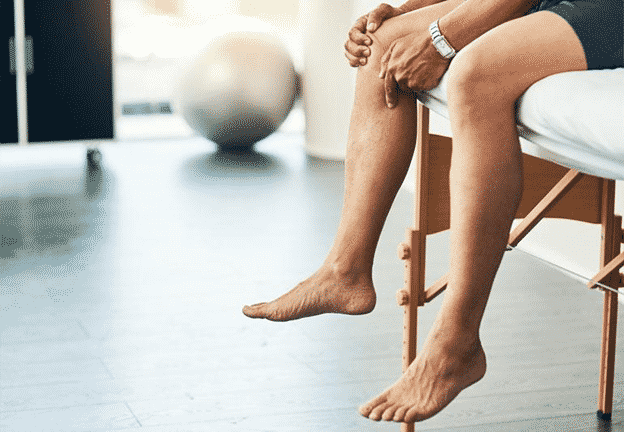
What Is Compression Therapy Used for?
Improved Athletic Performance
Professional athletes, trainers, and physical therapists have long understood and relied on the power of compression. But now non-professional athletes are beginning to use compression as an integral part of their regular workouts.
Blood Circulation During Long or Frequent Flights
Business travelers quickly learn of the aches and pains that come with poor circulation on long flights. Flight passengers can wear compression garments to prevent this from happening. These garments also help in preventing blood clots and deep vein thrombosis which can occur during long flights.
Healthy Posture and Blood Flow During Pregnancy
Pregnant women often benefit from using compression therapies during the later months of their pregnancies. The added weight of pregnancy frequently means back pain, poor posture, and poor circulation in the legs. Compression garments help improve posture and blood flow for many of these women.
Improved Blood Flow for Nurses, Teachers, and Salespeople
Pregnant women and frequent fliers aren’t the only ones who frequently suffer from poor circulation. Anyone who has had a career that required them to stand for long hours know how hard it can be to keep your legs healthy and prevent swelling after a long week of work. Compression socks are a great option for anyone who spends their hours standing.
Treating Problematic Veins
Poor circulation often leads to visible veins. When blood pressure increases inside your veins, they become twisted and swollen. This makes it even harder for blood to travel back to the heart. These veins are often visible under the skin.
If the pressure continues to build in your veins, the fluid that builds up can create an open sore: a venous ulcer. Compression garments that improve circulation can help treat each of these issues, sometimes even when no other treatments are used.
Treating Lymphedema
Sometimes people experience swelling in an arm or leg or in the head and neck after cancer-related surgeries involving one of the lymph nodes. The body cannot drain lymphatic fluid from that part of the body any longer. Compression garments and therapies are used to help drain the affected area and promote recovery.
Healing power of compression therapy for the legs
Healing Leg Ulcers
Ulcers are open wounds on the skin that can be hard to heal. Leg ulcers can be caused by:
Compression therapy is a very effective treatment for leg ulcers. It helps heal ulcers by improving blood flow. During the healing process, compression therapy reduces the symptoms of leg ulcers, such as pain, swelling, and itching.
Up to 97% of people who have had leg ulcers will get another leg ulcer in the future. Compression therapy can help keep you from getting new leg ulcers.
How many times a week should you do compression therapy?
Generally speaking, a healthy individual can use compression therapy 4-6 times per week. It is particularly invigorating after a tough training session and during longer training periods for high endurance events such as marathons, triathlons, and other athletic competitions.
Wrap Up
It is important to be in contact with a professional before beginning any form of therapy or wearing compression garments. You may find that your current garment does not provide the necessary support for optimal health benefits, so it’s best you consult an expert who can help determine what type would work most effectively based on individual needs.
We want you to feel that we're here for your every need and are ready, willing, and able to help ease the pain in any way possible. We also have a variety of services available so please schedule an appointment today!
We're sure you had a tiring day, didn't you? We know the feeling of wanting to take some time for yourself and do something that will make your muscles feel good. Well now is the perfect chance.
This blog will focus on the workout equipment called "Power Plate" that helps your body get back on track. It can be done at the gym or at home so no excuses - just go try this thing out already.
There are many benefits of using a power plate, which we will discuss in this blog post. You may be wondering how the power plate can benefit you and your fitness goals. In this article, we will go over some of the top benefits that come with using a power plate for exercise purposes.
Table of Contents
Without further ado let’s get started, shall we?
1. What is a Power Plate?
Power-Plate or known as a vibration plate is a machine that gives the body's muscles a high-speed workout by using vibrations to stimulate them to contract and relax. They generally contract once or twice a second, but by standing on the Power-Plate, its vibrations cause an automatic reflex muscle contraction of 30-50 per second.
This is a great time-saver due to the effectiveness of training and the fact that many muscle groups are activated at the same time. It's claimed that 10 minutes on the Power-Plate will have the same results as 60 minutes of conventional strenuous training.
2. What is the Importance of Using Power Plate?
Power Plate’s vibrating platform triggers immediate contractions of working and stabilizing muscles, resulting in positive improvements in strength, balance, flexibility, postural control, circulation, and coordination. In addition, the harmonic vibration contributes to positive hormonal responses.
Using Power Plate will keep you revitalized in daily life. In just a few minutes, you can increase the sense of your well-being by performing simple stretches and easy movements to counter the negative effects of sedentary living.
Set your workout on vibrate and incorporate the five key elements of effective training—Stretch, Balance, Core, Strength, and Massage— into a 30-minute total-body workout using Acceleration Training from Power Plate.

3. What are the Top Benefits of Using a Power Plate?
1. Weight Loss- You can use vibration plates to lose weight. As you're running through the fat deposits, it's more likely that these will shift and burn off some calories because they are denser than muscle tissue which has greater metabolic demands upon resting form when at rest. Besides this technique working well, for people who wish to tone their muscles, while losing adipose cells; healthy eating with high-intensity Cardio workouts also plays an integral role in how successfully one burns off those extra pounds!
As we all know by now, exercising regularly helps us achieve our fitness goals but what many don't realize is, just how much harder workout routines become if you want results quickly and wish to get rid of excess body fat.
2. Fat Loss- Scientists have found that using a vibration plate is an effective form of exercise for fat loss. The whole-body vibrations sent through your entire body can reduce fat deposits in the midriff section and activate liver cells, which metabolizes the fat instead of transforming them into glucose; without this process happening our bodies would get stuck at higher weights, because there wouldn't be any additional fat release! This effect was noticed on mice who exercised three months with 20 minutes per day (or five hours total), but no human studies currently exist yet. Although it makes sense for human also, since we work similar to each other, so hopefully some research in that regard will start soon.

3. Muscle Tone- Vibration plates are an affordable, quick system for toning your muscles. They work by vibrating at different frequencies that cause the body weight to shift back and forth on its own accord which speeds up blood flow in one's limbs, as well as increases coordination between them.

4. Healthier Endocrine System- A healthy metabolism has important benefits on your endocrine system. It may also be exactly what you need to improve hormonal problems such as acne or menstrual pain by the usage of vibration plates.
5. Increased Metabolic Rate- As you improve your muscle mass and decrease fat deposits, the brain turns on its survival mode. This causes a person's body to conserve resources by storing unused calories as fat or decreasing metabolic rate, so they use up less energy than what would have been anticipated when at rest, in an environment where food isn't available immediately after eating. This could be seen with bed rest patients who must rely largely upon their own powers for energy expenditure while resting, if there are no other appliances implemented into daily life, such as dieting programs which encourage exercise levels to be high enough for people to stay mobilized during times spent upright against gravity (not flat).
6. Improved Bone Density- The Belgian researchers who published their work in the Journal of Bone and Mineral Research have found that participants saw a 1% increase in hip bone density after six months, while also experiencing an overall muscle strength uptick. To put it simply: vibration plate exercise is good for you!
This 2004 study shows how important vibrational therapy can be. Some people have even gone on to say they feel healthier because of these experiments at hand. We need to take care when exercising though, as too much time spent overdoing things could lead to damage later (just like any other form of physical activity).

7. Better Balance and Flexibility- The vibration plate challenges your balance because it makes the brain think you’re falling. As such, stronger muscles in our core have to contract and maintain stability by contracting certain key areas like the lower back or abdominal region just so we can keep ourselves balanced on top of this ground vibrating surface. Even though at first glance there doesn't seem to be much difference between walking, but what happens underneath reveals itself quickly. Many people don’t realize how important their posture actually is! A good habit formed here will lead not only towards improving health through increased muscle strength, which in turn leads to better movement and function, but it will also keep one’s body alignment in the correct position.
Keeping balance - Because of this improved muscle strength which is gained by standing on a Power Plate, we get more energy and endurance that can be used during training or just regular activities such as sports or work.
8. Improved Blood Circulation- Vibration devices have been shown to improve blood circulation, which ultimately improves the health of your hands and feet. Poorly circulated blood may lead to cold as well as cramps or edema in other parts of the body. Vibrational stimulation can help promote lymphatic flow that drains fluid from problem areas, so you are not constantly being irrigated with bad fluids, while trying desperately for good ones. Improved metabolism due to vibration has also shown potential benefits like reduced risk of heart disease or diabetes mellitus type II. It enables better processing by our body cells since there's less waste product transport across membranes. While this might not sound like much, it's extremely important since cells are the building blocks of life.
9. Pain Relief- Vibrations unwind sore muscles and improve blood circulation, leading to pain relief in problem areas. Vibration massage is one of the most popular treatments for people with sciatica or joint discomfort. It can also help those stricken by muscle cramps, because these types of massages relax tense muscles. There’s currently a dearth (lack) of research demonstrating how vibration plates work, but plenty show its benefits. Customers rave online about their low-level soothing effects, which have led them to experience less backache as well as other chronic ailments such as arthritis.
10. Lower Stress Levels- You can learn to control your stress, by controlling the hormone cortisol. Cortisol is what makes you feel angry, anxious, and agitated when it's high. This feeling will make sleep difficult if not impossible, due to issues caused through increased production of this "stress" chemical. There is reduced difficulty in achieving REM stage which helps people feel more rested, after they're done working out on their vibration plate or have used them as a massage device.
Vibration training has been proven effective at increasing metabolism because an active body burns calories faster than one that isn't engaged physically anymore--especially considering many individuals function better mentally while exercising.
Now that you know the benefits, let’s also give you a peek at that downside or the risks involved.
4. What Are The Risks?
The Power Plate is an amazing machine, but it also has some negative effects. Whether you use one of our vibration plates or the commercial version at your local gym - they are all designed with only 1 thing in mind: providing intense physical activity for everyone who walks through their doors.
It has been reported that if you're not careful, regular exposure to vibrations, caused by a vibration platform, could affect the health of your brain or vision. This is even if you have no medical pre-conditions at all.
If you're constantly living life on the edge, then it's inevitable that your body will pay for it one way or another. The Biomedical Engineering Professor, Clinton Rubin at the State University of New York found in his research that high vibration can lead to damage not only with hearing and vision but also cartilage which is crucial when considering what bones are made up inside us all!
5. Best Ways to Exercise with Power Plate
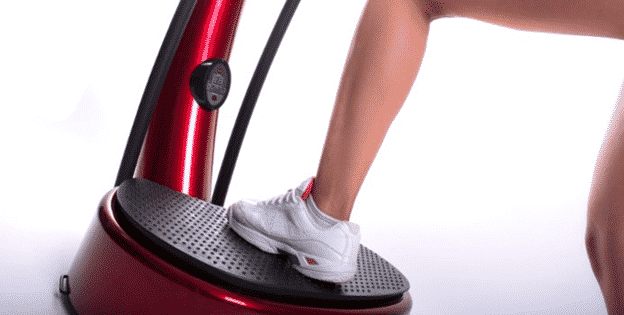
Here are the Four ways to exercise with the Vibrating Plate:

Conclusion
Vibration plates have been proven to do good things for the human body. They provide a unique form of exercise in which you can work out without putting too much strain on your muscles and joints while at the same time giving them extra training. While some people might feel skeptical about this new trend, they should definitely give it a try!
You've been working hard all day and your stress level is high. If this sounds familiar, don't worry! Trigger point ball massage can help relieve the tension in muscles caused by chronic strain on a daily basis while giving you an opportunity for some much-needed relaxation at nighttime or during those work hours when it's just too difficult to focus without taking some downtime, first thing after waking up in the morning.
Trigger Point Ball Massage uses pressure points that are similar, but not quite identical to Tactical Acupuncture. Although they're used differently by these two practitioners (with varying levels of expertise); one may use it solely for a specific purpose, while the other can use it across-the-board. This blog post is for anyone who needs relief from pain or stress.
From professional athletes to people with chronic conditions, trigger point massage balls are the go-to tool for so many people, because they work! Massage balls can be used in a variety of ways to reduce stress and pain caused by muscle tension. They're inexpensive and easy to use - you don't need any special equipment. We'll describe below, how they work, and some other benefits that you might not know about.
Before anything else, why don’t we start by knowing where the pain is coming from?
The fascia is like a blanket around your body. It's the connective tissue that surrounds and holds every organ in place, but it also has nerves that make them almost as sensitive to touch as skin! When stressed out or injured for whatever reason (loud noise, car accident), this thin casing will tighten up with tension-reducing circulation where needed most, to help heal fast from any injury.
Fascia isn't just there for structure; its purpose goes hiking along both sides all through our muscles providing support, while helping protect joints at their most vulnerable points.
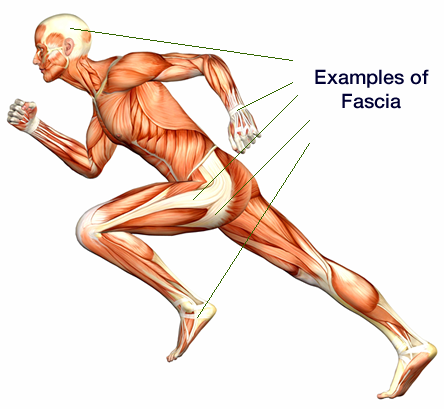
A trigger point massage ball can help soothe minor aches and pains in your muscles. This soft massage ball targets hard-to-reach areas around your neck, shoulders, back, chest, and calves. Simply apply pressure to the ball for seconds while using a hard surface to stabilize ball movement from side to side or in circles.
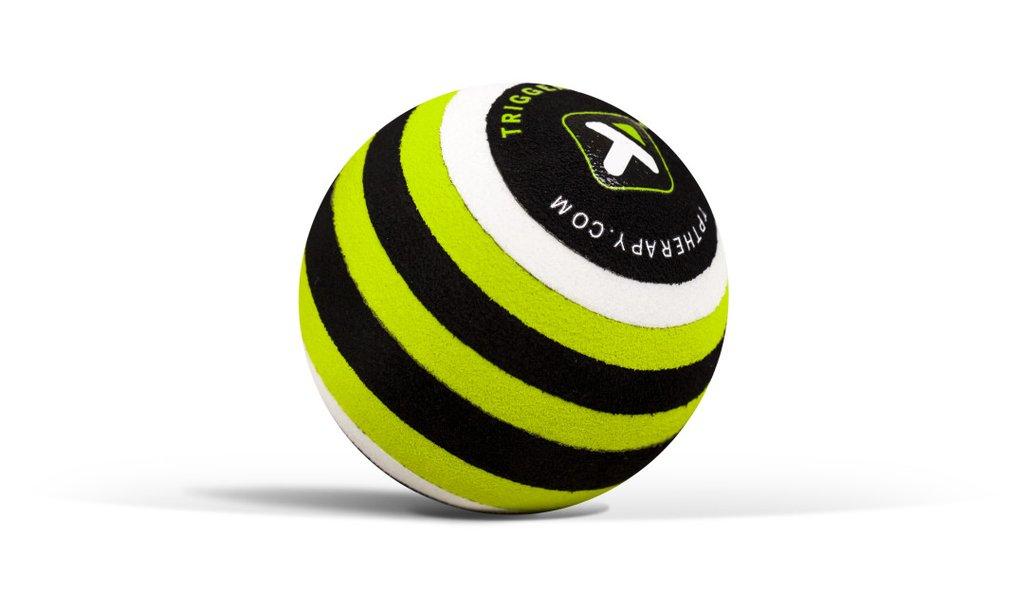
Trigger point massage is a unique form of bodywork that has been used for centuries to help relieve chronic pain. Trigger points are tight, painful knots located in muscle tissue; when pressure is applied, the knots can be released quickly and easily with little risk or discomfort to clients, who need relief from their myofascial trigger point symptoms.
A recent study about responsiveness found a rapid reduction in local pain as well as restoring blood flow, which helps cellular repair, due to Trigger Point Massage.
Trigger point therapy is a great option to relieve pain without taking any additional medication. Many scientific trials are underway in order for it to be seen as viable, and so far, there has been several positive outcomes from this treatment type with patients being more satisfied than ever before.
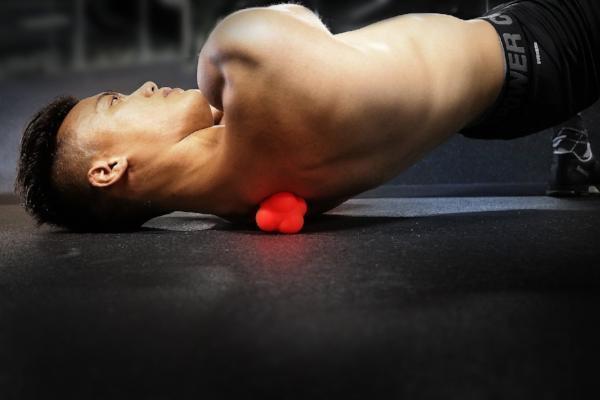
You can use massage balls from head to toe for a deep tissue massage on your neck, back, shoulders, hip flexor/ glutes, and feet. They are also great at relieving tight muscles anywhere else in the body! The benefit of using these huge [the picture does not show a huge sphere] sphere-like wonders is that they create space within our body by increasing circulation, which in turn helps release any tension hidden inside our bodies' crevices or nooks, where there may have been any discomfort. All those tough knots just melt away under pressure.
1. Reduces Muscle Soreness- Sore muscles can make you feel sluggish and uncomfortable. Self-massage is a great way to work through that soreness, so you find relief and get back into feeling normal as soon as possible. These massage balls relieve your tired muscles quickly with their deep pulsating pressure - it's like getting extra attention for yourself without even leaving home or office.
2. Eliminate Tension and Tightness- Tension and tightness in the body can really hamper performance and make self-motivation difficult. Massage balls work deep into those knots by removing tension while also relieving any muscle soreness that may be present; they promote space throughout one's entire posture when used correctly.
3. Increase Flexibility- Tension is the enemy of flexibility. It can be found throughout your body: tight tendons and ligaments, as well as fascia which holds everything together in place. You may think that you need to stretch for this type of problem, preventing injury or to improve performance. Massage balls are an excellent tool because they provide deep pressure on these muscles without being too painful with their rounded surface intact - allowing them easier access points towards releasing built-up tension from anywhere within reach.
4. Improve Blood Circulation- This massage is also the best way to get your blood flowing and heal any injuries or soreness that you might have. It can also relieve tension in other parts of your body, which will help with overall pain management.
A lot of people don't know this but increased circulation through massaging certain areas in our body increases healing, by sending more nutrients where they need to go, especially when it comes down to dealing with an injury or some stress relief at home and treating yourself well.
5. Improve Posture- Every muscle has a different way of working, and when one becomes too tight it can create deep pain. One common example is tension in the back or neck from sitting at an improper angle for long periods of time without releasing some knots to allow more space between them, which leads to long-term discomfort.
This also happens with postures, since muscles work together throughout your body’s 26 joints providing support where needed while distributing weight equally on all four legs.
Sitting for long periods of time can cause discomfort in your hips and lower back. Trigger point therapy is an excellent way to release this tension, which could otherwise lead you to slip back into bad habits like poor posture! After treatment make sure you take care of your body by following up with good hygiene routines or therapeutic exercises such as yoga.
6. Why Massage Balls may also be Beneficial for Athletes?
Massage balls can do a lot more than just provide you with immense relaxation. They reduce tension and soreness in your muscles, tendons, ligaments (and even fascia), all areas that are key for athletic performance! In addition to providing relief from pain caused by overwork or injury; using massage balls also increases blood circulation which helps to heal, as well as nourishes the entire body.
It can also help speed up recovery time, which may be beneficial to athletes or yogis who spend a lot of their day being active in some way! Self-massaging regularly will keep your body healthy and ready at any time, so you feel less stressed out when it comes to taking care of yourself.
7. Alternative Tools to Use at Home
There are many different types of trigger point therapy tools. This post is focused on how to use a trigger point ball, which you may have heard of as a “pressure point ball”. We will shortly take you through some trigger point ball exercises.
8. How to use a Massage ball? We got you!
Neck- Lie down on your back, with your knees bent and feet on the floor, like you are about to perform stomach crunches.
Upper Shoulder- This one is also known as the rugby scrum technique.
Upper back- For a trigger point release into your upper back.
What is a good way to release a trigger point? With all of these trigger point therapy exercises, there are slightly differing viewpoints between professionals about how they are best done. Some prefer to hold the ball over a trigger point and wait for the trigger point to release. Others prefer to gently roll back and forth over the trigger point until it releases.
Shoulder Tendons- The tendon attachments for your shoulder muscles can get very sore.
Chest Muscles- Chest muscles are often very tight, which we may not realize. Many people feel pain and tenderness across the back of their shoulders. However, the reason for this pain could be tight chest muscles, especially if you spend a fair amount of time hunched forward at your desk or in your car.
So, just give them a go, and you may find that this is much more effective than digging into those shoulder muscles. Again, this is a case of symptoms (tenderness in shoulder) versus cause (tight chest muscles).
Back- Lie down on your back and put the trigger point therapy massage ball under one side of your back (not in the middle where your spine is!).
We hope that this blog has helped you understand the benefits of Trigger point ball massage and how to use it. When it comes to relaxation, there is no better option than this kind of massage. The benefits of this treatment are endless, and they provide you with an opportunity at home that will leave your body feeling refreshed for days! You can also explore more fascinating services on our website or contact us today if you are interested in starting a new health routine.